
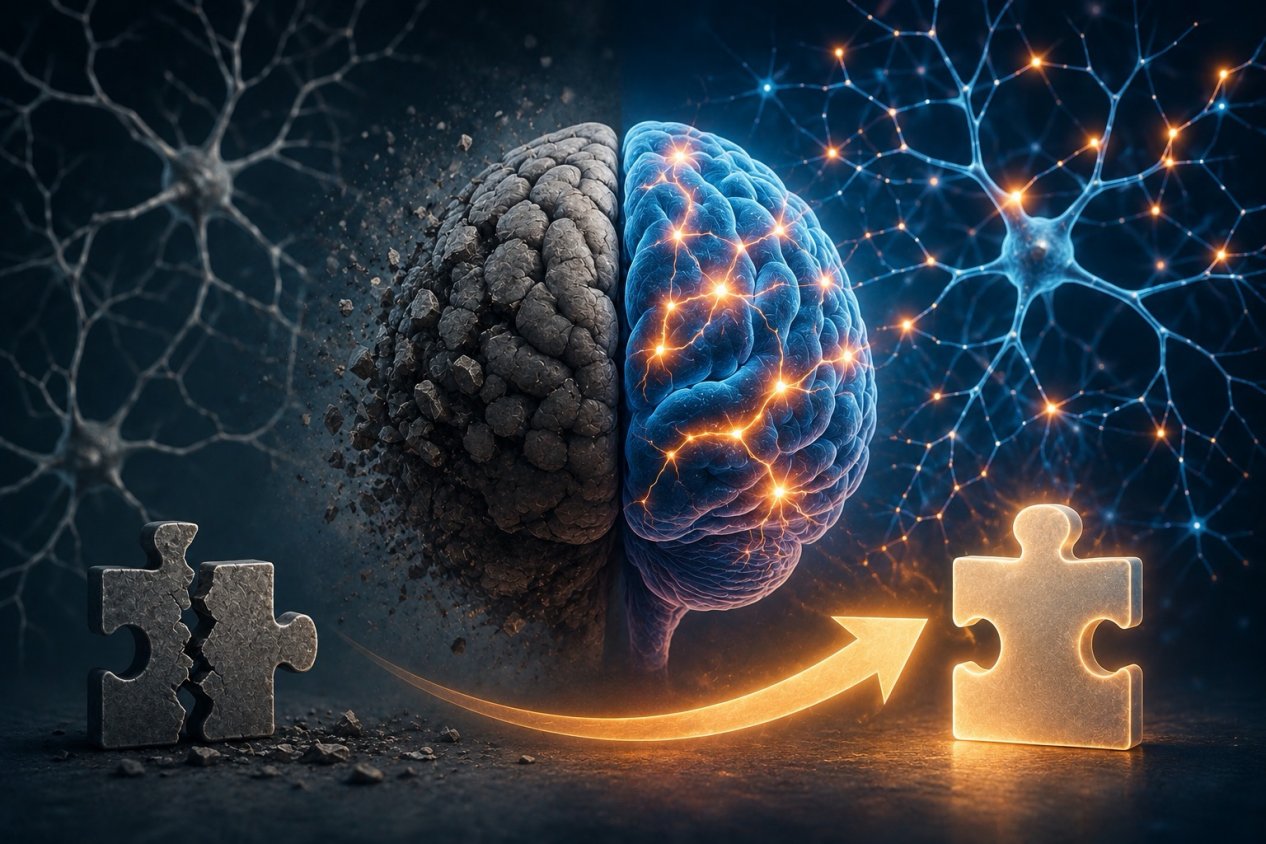
The phrase “nerve cells do not regenerate” has become so deeply ingrained that many people accept it as an unquestionable scientific fact. It is often used to explain the effects of stress, sleep deprivation, emotional burnout, and even age-related changes. But does this statement actually reflect what modern science tells us? The short answer is no. Like many widespread myths, however, it did not emerge without reason.
The origins of this belief date back to the late nineteenth century. Santiago Ramón y Cajal, one of the founders of modern neuroscience, concluded that once the brain had fully developed, new nerve cells were no longer produced. For its time, this was a groundbreaking discovery, and throughout most of the twentieth century it was regarded as scientific truth. Science, however, continues to evolve. As research methods advanced, scientists discovered that the human brain is far more complex and adaptable than previously believed.
Today, researchers know that the adult human brain is capable of producing new neurons. This process is known as neurogenesis. The strongest evidence suggests that it occurs in specific regions of the brain, particularly the hippocampus, an area essential for learning and memory. At the same time, scientists continue to debate how active neurogenesis remains throughout adulthood, as studies have produced differing results.
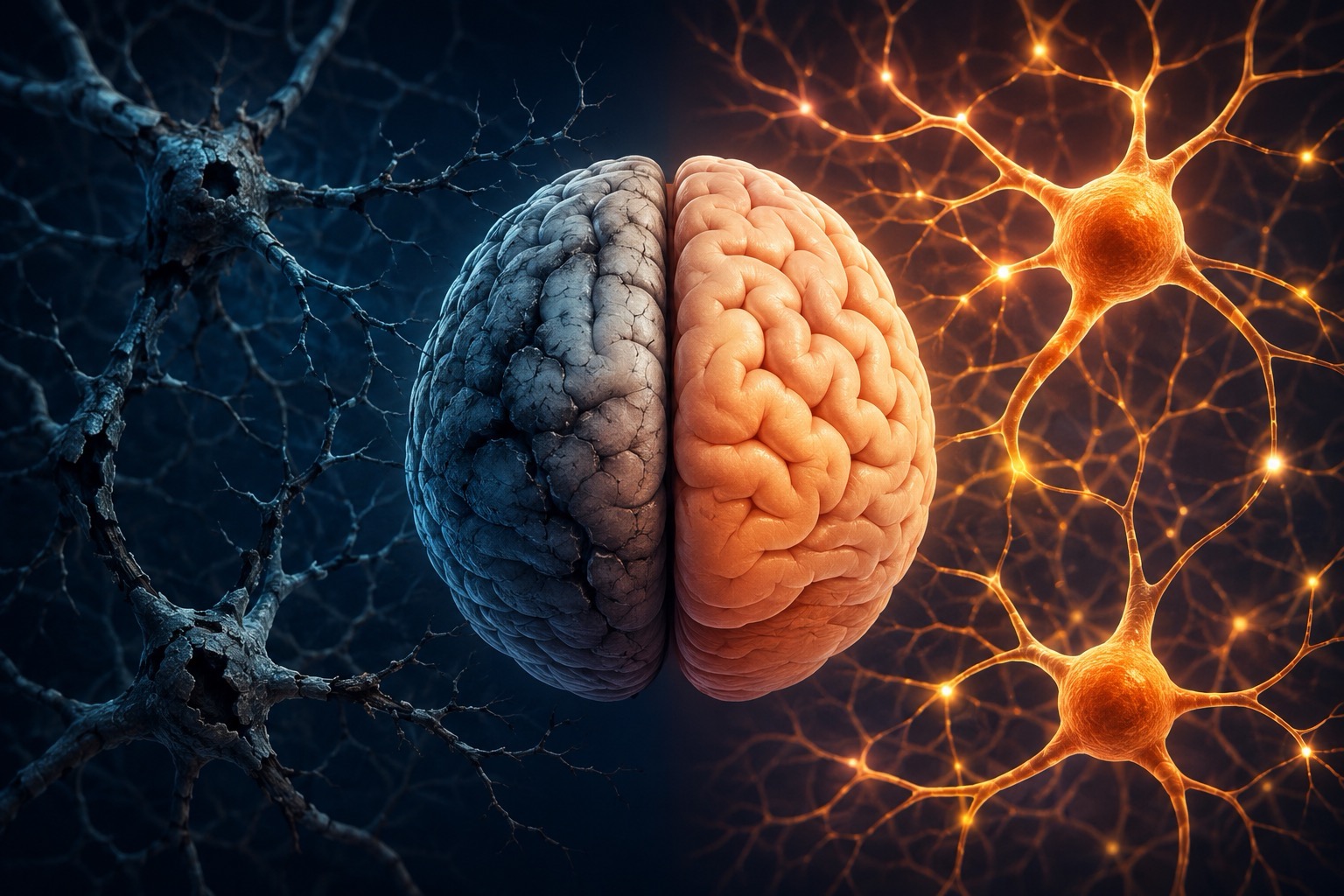
Perhaps even more important than the formation of new neurons is the brain’s remarkable ability to reorganize its existing neural networks. Nerve cells can create new connections, strengthen or weaken existing ones, redistribute functions among different brain regions, and partially compensate for damage. This ability is known as neuroplasticity and forms the biological basis for recovery after strokes, traumatic brain injuries, and many neurological disorders. Thanks to neuroplasticity, people can relearn how to speak, walk, write, and perform everyday tasks following serious damage to the nervous system.
It is important, however, to recognize that the nervous system’s capacity for recovery has its limits. When a large number of neurons are destroyed in critical areas of the brain or spinal cord, the body is often unable to replace them completely. This is why some neurological impairments remain permanent despite modern medical treatment. The peripheral nervous system, which includes the nerves of the arms, legs, and internal organs, has a much greater regenerative capacity. As long as the nerve cell itself survives, damaged peripheral nerves can gradually regrow, allowing sensation and movement to recover over weeks or even months.
Why, then, has this myth remained so persistent? First, it was originally based on the best scientific knowledge available at the time rather than on fiction. Second, a simple and absolute statement is much easier to remember than a nuanced explanation involving the differences between the central and peripheral nervous systems, neurogenesis, and neuroplasticity. Finally, scientific discoveries rarely make their way into school textbooks, popular literature, and everyday language as quickly as they emerge in research laboratories. Even after new evidence became available, the old statement continued to be repeated for decades in the media, books, and everyday conversations until it became accepted as common knowledge.
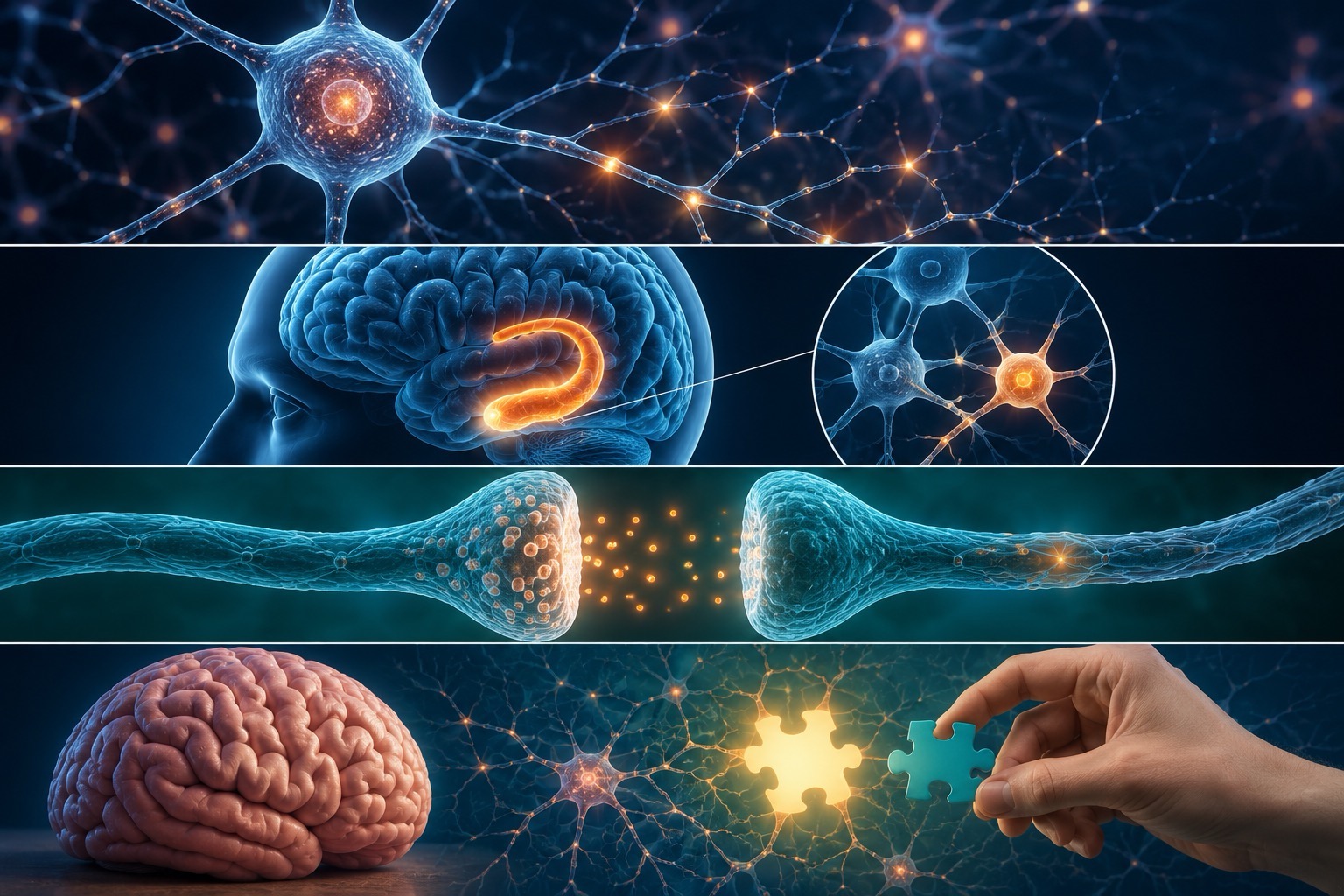
Modern neuroscience paints a far more complex picture. The nervous system is indeed capable of recovery, but not in the way many people imagine. New neurons may be generated only in limited regions of the brain, while the primary mechanism of functional recovery relies on the extraordinary ability of existing neurons to reorganize, adapt, and establish new connections.
Conclusion: The statement “nerve cells do not regenerate” is no longer considered scientifically accurate. It reflects outdated concepts and does not take into account the discoveries of recent decades. A more accurate conclusion is that the nervous system does possess the ability to recover, but this capacity is limited, depends on which part of the nervous system has been damaged, and relies primarily on neuroplasticity rather than the complete replacement of lost nerve cells.