Palm oil appears in roughly half of all products on supermarket shelves—from cookies to chocolate. It's surrounded by controversy: some call it "poison," others defend it. Let's examine what science actually says.
Fact: Palm oil raises "bad" cholesterol
Scientific research confirms that compared to sunflower or olive oil, palm oil does indeed raise levels of harmful cholesterol in the blood. Let's break down what the science tells us.

Fact-Checking the Claim
"Palm oil is harmful to heart and blood vessels"
COUNCLUSION: PARTIALLY TRUE
It's more nuanced than it appears. The effect depends on the amount consumed and what we're comparing it to.
What's Inside Palm Oil?
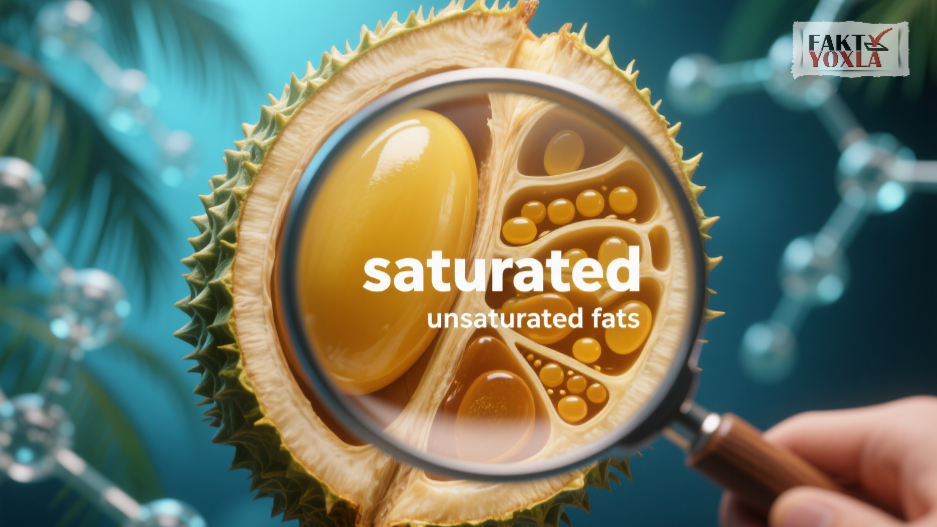
Composition:
- 50% saturated fats (the "harmful" ones)
- 50% unsaturated fats (like those in olive oil)
For comparison:
- Butter — 65% saturated fats
- Coconut oil — 82% saturated fats
- Olive oil — 14% saturated fats
- Palm oil — 50% saturated fats
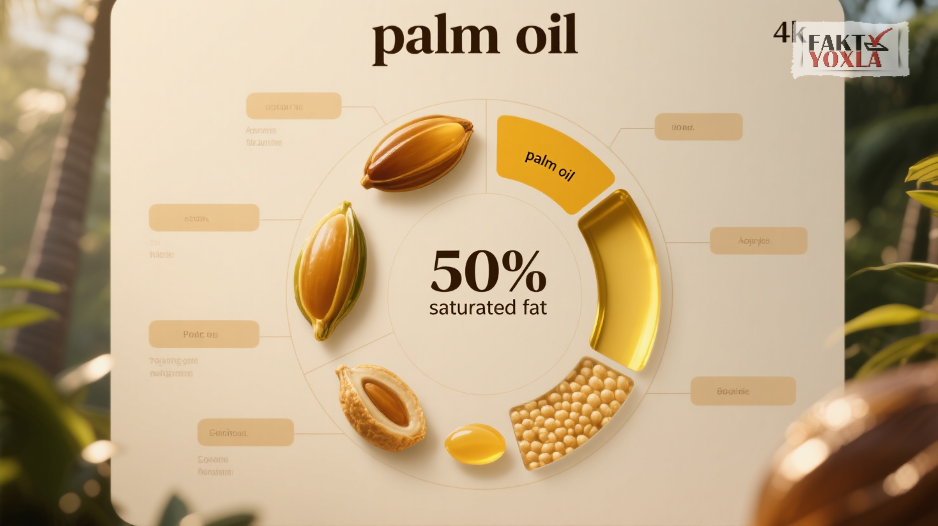
Palm oil sits "in the middle"—not the worst, but not the healthiest either.
What About Heart Disease?
The key question: does palm oil cause heart attacks and strokes?
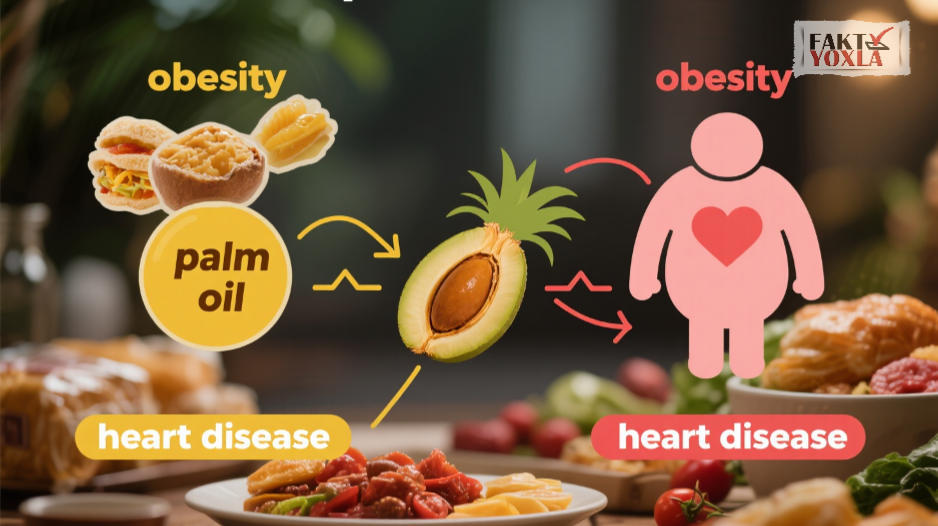
Science's answer: WE DON'T KNOW FOR CERTAIN
A major review of studies (2018) showed there's no convincing evidence of a direct link between palm oil and heart disease.
Another study (2015) found that when palm oil is consumed as part of a healthy diet, it doesn't create additional heart risk.
What Do Doctors Recommend?

American Heart Association:
Main recommendation: Saturated fats (including palm oil) should be less than 6% of daily calories.

In simple terms:
- If you consume 2,000 calories per day
- Maximum saturated fats: 13 grams
- That's approximately 1 tablespoon of palm oil
Advice: It's better to replace palm oil with olive, sunflower, or canola oil.
Research shows that replacing saturated fats with unsaturated fats reduces heart disease risk by 30%—similar to the effect of medications!
Surprising Fact
Red palm oil (unrefined) is completely different!
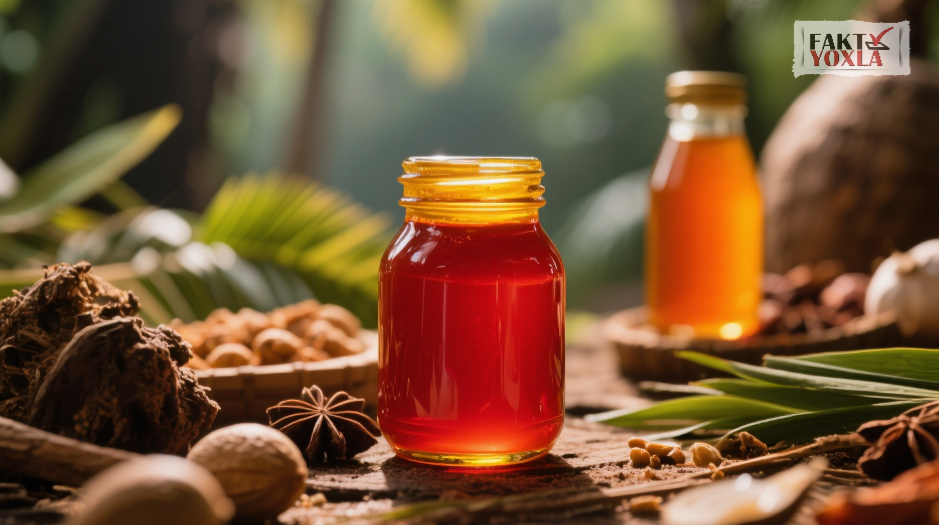
Benefits:
- Rich in vitamin A (more than carrots!)
- Contains vitamin E and antioxidants
- May protect cells from damage
The problem: Stores typically sell refined (processed) palm oil, which has lost all these beneficial properties.
What Determines the Effect?
- How much you consume
- A little in cookies — not concerning
- Cooking with it daily — excessive
- Your overall diet
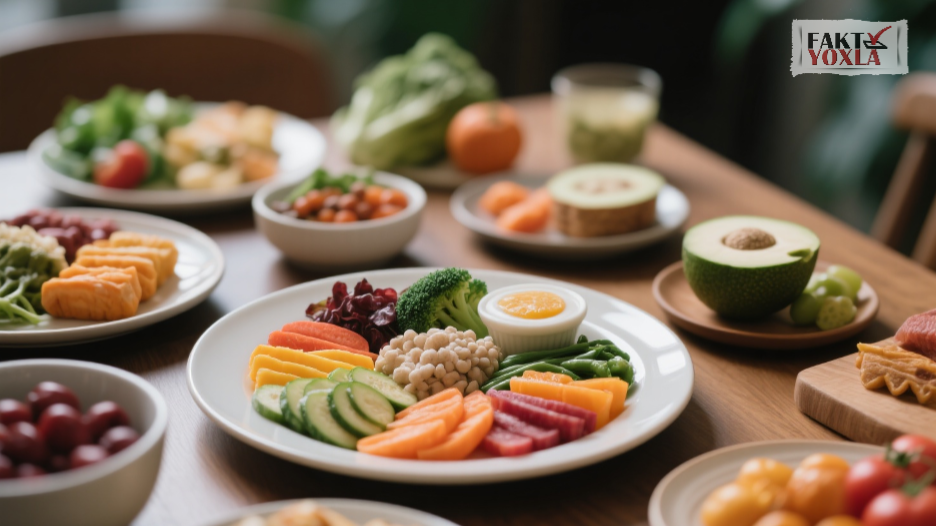
- Vegetables, fruits, whole grains + some palm oil = acceptable
- Fast food, chips, sweets daily = problematic
- Your health status
If you already have high cholesterol or heart problems—better to avoid it.
Key Takeaways
WHAT WE KNOW FOR CERTAIN:
- Palm oil raises "bad" cholesterol more than olive or sunflower oil
- Doctors recommend limiting saturated fats
- Unsaturated oils are better choices for cooking
- Palm oil is much better than trans fats (which are banned in many countries)
IMPORTANT NUANCES:

- Science hasn't proven a direct "ate palm oil — got heart attack" connection
- In small amounts (1-2 grams in products) — not dangerous
- Overall diet matters much more than a single oil
- Red unrefined palm oil contains beneficial compounds
WHAT'S EXAGGERATED:
- "Palm oil is poison" — this is a myth
- "All products with palm oil are deadly" — not supported by science
Which Products Contain the Most Dangerous Palm Oil?
High-Risk Products:
- Infant Formula and Baby Food (ESPECIALLY DANGEROUS)

Why this is critical: Baby formulas contain 25-30% oil, often palm oil. During processing, toxic compounds form — glycidol and 3-MCPD.
Facts:
- Formula-fed infants receive 10 times more of these substances than considered safe
- Glycidol is recognized as a probable carcinogen (may cause cancer)
- 3-MCPD damages kidneys and affects the reproductive system
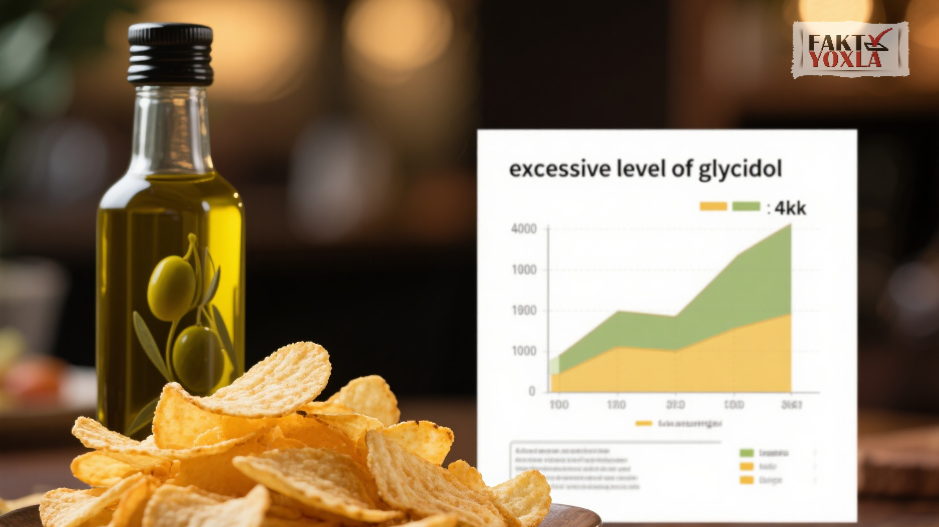
European standards: Maximum 0.5 ppm glycidol in baby food (for adults—1 ppm).
2. Instant Noodles
Danger: Double hit—high saturated fat content PLUS salt and preservatives.
Research: Regular instant noodle consumption is linked to:
- Obesity
- Metabolic syndrome
- Increased heart disease risk
Shelf life: Up to 12 months—indicating highly processed food.
3. Chips and Snacks

Problem: Palm oil is used for frying at very high temperatures (160-180°C).
Frying produces:
- Toxic compounds (glycidol—264 times more than in olive oil!)
- Additional carcinogens with repeated frying
For children: Especially dangerous—kids eat more snacks relative to their body weight.
4. Cookies, Cakes, Pastries

Why it's used: Palm oil provides creamy texture and long shelf life.
Danger:
- High calorie content
- Lots of saturated fats
- Often combined with large amounts of sugar
Note: One cookie can contain 2-3 grams of palm oil. Eat 5 cookies = half your daily saturated fat limit.
5. Chocolate Spreads and Bars
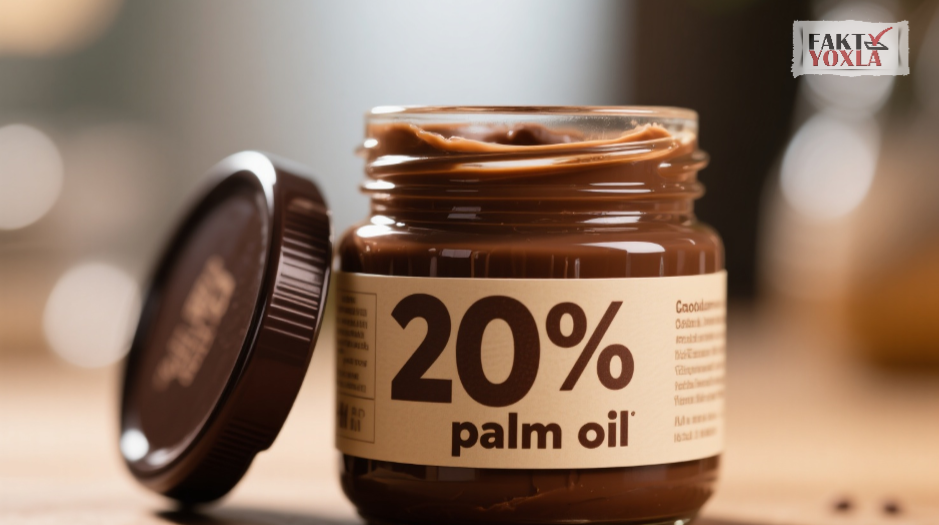
Popular products: Breakfast chocolate spreads, candies, chocolate bars.
Problem:
- Combination of palm oil + sugar = high obesity risk
- Children consume these products regularly
- Marketing often targets children specifically
Concentration: Up to 20% of composition is palm oil.
6. Margarine
"Vegetable oil" on the label: Often this means palm or palm kernel oil.
Problem:
- Presented as a "healthy alternative" to butter
- In reality: high saturated fat content + salt
- Not recommended by dietitians
7. Frozen Pizza and Ready Meals
Danger of ultra-processed foods:
- High saturated fat content
- Excess salt and preservatives
- Low nutritional value
Research: Two major European studies showed that ultra-processed foods increase cardiovascular disease risk and mortality.
8. Peanut Butter (Some Brands)
Warning: Many commercial brands use palm oil for texture and to prevent separation.
Advice: Choose natural peanut butter (100% peanuts) without added oils.
Hidden Danger: Palm Oil Under Different Names
On labels it may appear as:
- Vegetable oil
- Vegetable fat
- Palm kernel oil (85% saturated fats!)
- Palmitic acid
- Glyceryl
- Sodium stearate
- Sodium lauryl sulfate
Rule: If a specific oil isn't listed (olive, sunflower), it's likely palm oil.
Special Risks for Children

Why are children more vulnerable than adults?
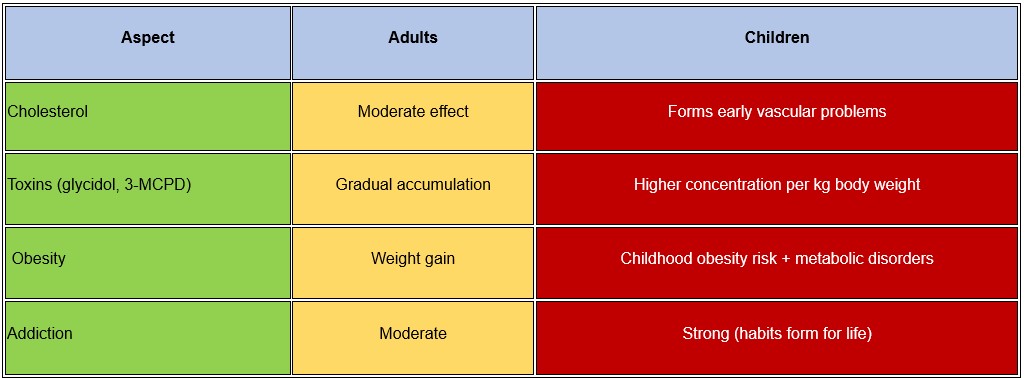
- Relatively higher consumption Children eat more calories per kilogram of body weight than adults. Consequently, they receive more harmful substances per unit of body mass.
- Undeveloped detoxification system Children's livers and kidneys aren't fully developed—they handle toxins less effectively.
- Long-term effects Toxin exposure in childhood may manifest as problems in adulthood.
- Formation of eating habits Ultra-processed foods with palm oil often create addiction due to the combination of fat, salt, and sugar.
- Critical growth period Saturated fats may affect:
- Cardiovascular system development
- Metabolism
- Bone formation (some studies showed reduced bone mineralization in infants)
Special Concern: Baby Formula

Study (Saudi Arabia, 2024): Analysis of infant formulas revealed:
- 100% of samples contained 3-MCPD
- 80% contained glycidol
- Formula-fed infants receive 0.8 μg/kg body weight of glycidol daily
Risk: Margin of Exposure (MOE) below 25,000—this already concerns food safety experts.
European regulator (EFSA): "Exposure to glycidol in infants fed exclusively on formula is of particular concern, as it is 10 times higher than the level considered safe for the general population."
Impact on Adults vs Children
CONCLUSION:
Palm oil is NOT "enemy #1" for the heart, but it should be limited, especially if you have health issues.
Main rule: It's not about one tablespoon of oil, but what you eat overall. A healthy diet with vegetables, fruits, fish, and proper oils is the best heart protection.
Based on Current Scientific Evidence
Scientific Studies:
- Sun Y, et al. (2015). "Palm oil and the heart: A review." World Journal of Cardiology
- https://pmc.ncbi.nlm.nih.gov/articles/PMC4365303/
- https://journals.plos.org/plosone/article?id=10.1371/journal.pone.0193533
- https://pubmed.ncbi.nlm.nih.gov/24717342/
Medical Recommendations:
- American Heart Association (2017). "Dietary Fats and Cardiovascular Disease"
- https://www.ahajournals.org/doi/10.1161/cir.0000000000000510
- https://www.heart.org/en/healthy-living/healthy-eating/eat-smart/fats/saturated-fats
- https://www.who.int/publications/i/item/9789240088344
Studies on Toxins in Palm Oil:
- US FDA - "3-MCPD and glycidol in food products"
- https://www.fda.gov/food/process-contaminants-food/3-monochloropropane-12-diol-mcpd-esters-and-glycidyl-esters
- https://www.efsa.europa.eu/en/press/news/180110
- https://www.rainforest-rescue.org/petitions/1056/get-carcinogenic-refined-palm-oil-out-of-our-food
Studies on Baby Food:
- Leigh J, MacMahon S (2017). "3-MCPD and glycidol in infant formulas in the USA." Food Additives & Contaminants
- https://pubmed.ncbi.nlm.nih.gov/31596187/
- Study showed potential risks for formula-fed infants
Ultra-Processed Foods and Health:
- Pritikin Center (2022). "10 Worst Palm Oil Foods"
- https://www.pritikin.com/your-health/healthy-living/eating-right/10-worst-palm-oil-foods.html
- Cited by multiple food safety sources