

The idea that one needs to walk 10,000 steps daily has become firmly embedded in public consciousness as a minimum standard for healthy activity. It is widely used in fitness trackers, lifestyle recommendations, and corporate wellness programs. However, the origin of this number and its scientific validity require closer examination.
The concept of “10,000 steps” did not originate in scientific research but in marketing. In the 1960s in Japan, amid growing interest in physical activity ahead of the Tokyo Olympics, a pedometer called Manpo-kei—which translates to “10,000 steps meter”—was introduced. The number was chosen more for its symbolic appeal and memorability than for any medical evidence. Only later did it begin to be perceived as a health benchmark.

From a physiological perspective, it is important to distinguish between the body’s baseline energy expenditure and physical activity. Even at rest, the body expends energy to maintain vital functions such as breathing, heart activity, and thermoregulation. This is known as the basal metabolic rate (BMR). Depending on sex, age, body weight, and hormonal factors, it typically ranges from about 1,200 to 1,800 kilocalories per day. Any additional activity, including walking, increases total energy expenditure.
As for the 10,000 steps themselves, this roughly translates to about 6–8 kilometers per day, depending on stride length. For most people, this level of activity may result in burning an additional 200–400 kilocalories. However, the key issue is not the number itself, but its universality. Modern research suggests that significant reductions in the risk of cardiovascular disease and overall mortality can already be observed at around 6,000–8,000 steps per day, particularly among previously sedentary individuals. Beyond this threshold, benefits continue to increase, but not in a strictly linear way.
Therefore, the claim that 10,000 steps is a necessary minimum is not entirely accurate. It is a convenient guideline rather than a strict medical standard. For some individuals, especially those with low fitness levels or chronic health conditions, this level of activity may be excessive, while for others who are more physically active, it may be insufficient.
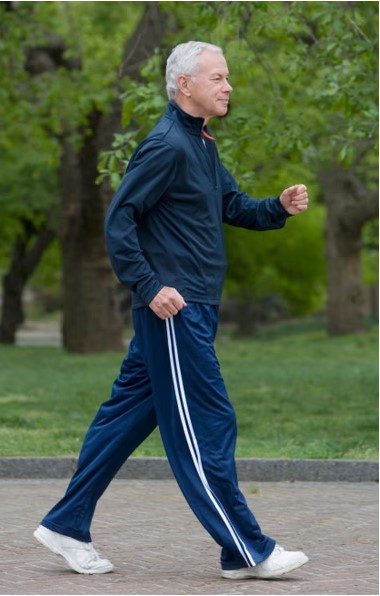
It is also important to understand that not all walking has the same impact on health. Pace, intensity, and consistency play a crucial role. A slow stroll and brisk walking with a moderately elevated heart rate produce different physiological effects. According to recommendations by the World Health Organization, the focus is not on step count, but on the duration and intensity of activity. Adults are advised to engage in at least 150–300 minutes of moderate aerobic activity per week, or 75–150 minutes of vigorous activity. Walking can be part of this, but so can other forms of exercise, from swimming to strength training.
For children and adolescents, the requirements are higher. They are advised to have at least 60 minutes of moderate to vigorous physical activity daily, including active play, sports, and exercises aimed at developing strength and coordination. In this context, a fixed number of steps is even less indicative, as children’s activity patterns tend to be more varied.
There are virtually no significant gender differences in baseline physical activity recommendations: both men and women are advised to maintain similar levels of movement. However, individual factors such as fitness level, health status, and personal goals—whether maintaining weight, reducing body fat, or improving endurance—can significantly influence the optimal level of activity.

In conclusion, the concept of “10,000 steps a day” is better understood as a popular guideline rather than a scientifically grounded requirement. It can be a useful tool for increasing daily movement, particularly for those with sedentary lifestyles. However, a proper assessment of physical activity should consider not only the number of steps, but also their intensity and the overall volume of movement throughout the week. A rational approach lies in consistent, varied, and individually tailored physical activity, rather than striving to meet a specific number at any cost.