
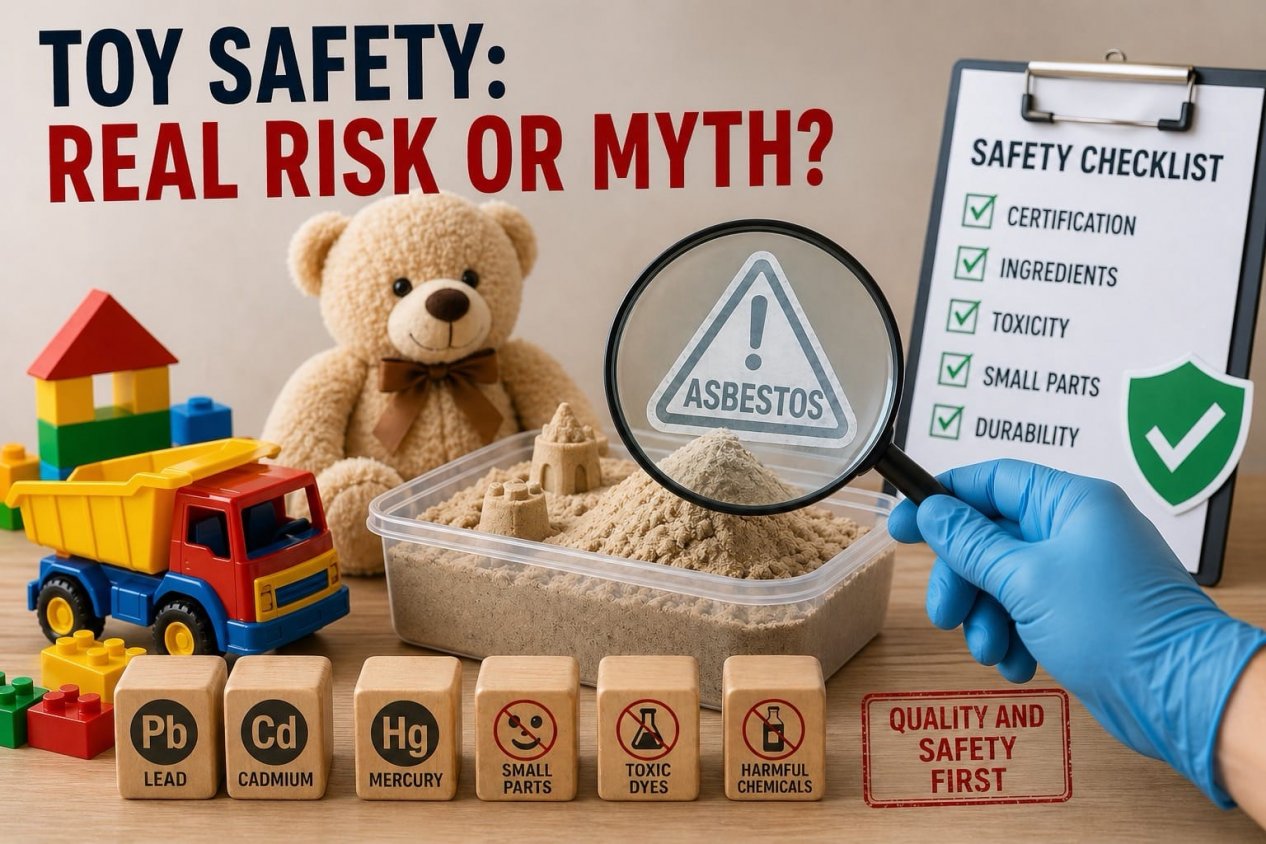
In recent years, the issue of toy safety has increasingly come into the public spotlight. Particular attention has been drawn to reports that some popular products — such as kinetic sand — may contain hazardous substances, including asbestos. This raises an important question: how real is this threat, and where does exaggeration begin?
Asbestos is a group of minerals known for their carcinogenic properties. Its use is strictly prohibited in most countries, especially in products intended for children.
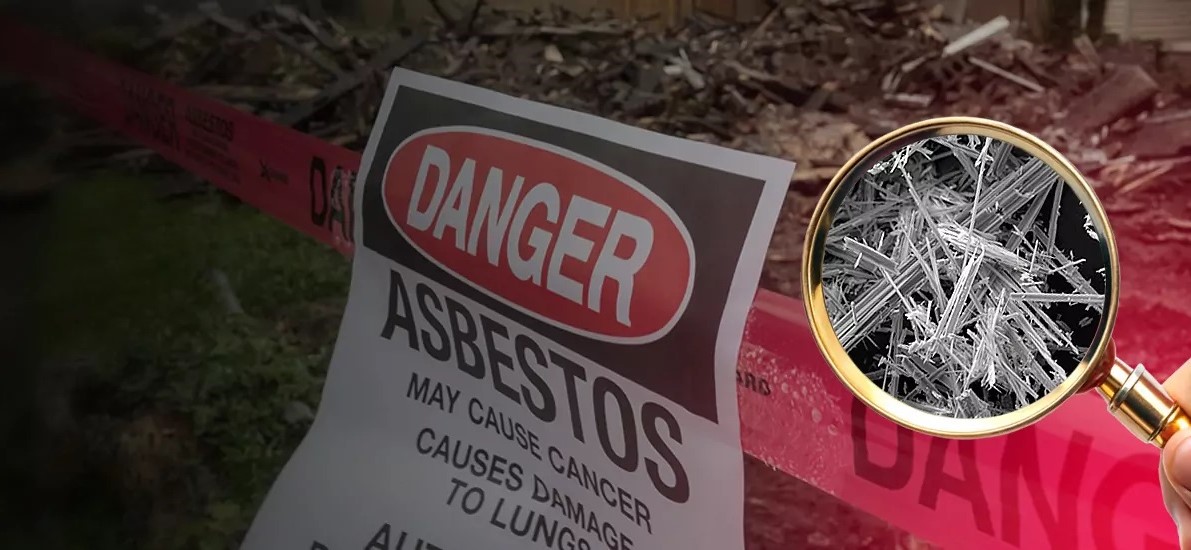
However, in 2025–2026, several countries reported cases of asbestos fibers being detected in children’s toys containing sand. These include craft kits, decorative sand, and certain types of so-called “kinetic sand.” In some samples, laboratories identified even notable concentrations of this substance, which led to product recalls and regulatory investigations.
It is important to clarify that not all kinetic sand is dangerous. The classic composition of this product is purified fine sand and silicone oil (dimethicone), and it is generally considered non-toxic. The main risks are not chemical but mechanical — for example, the possibility of ingestion or choking in young children.
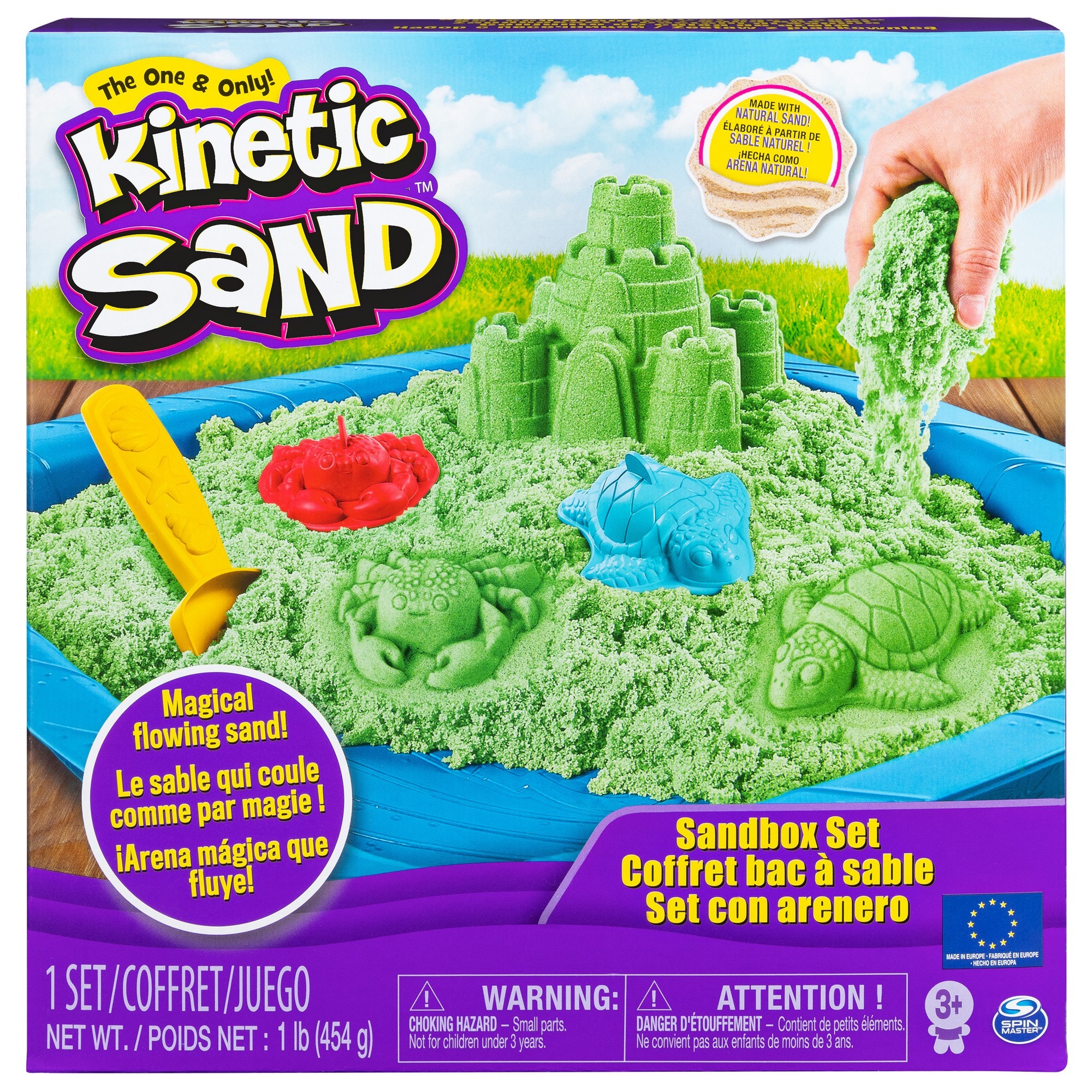
The problem arises when raw materials are insufficiently purified or sourced from regions where asbestos fibers occur naturally. In such cases, contamination can occur during extraction or manufacturing. This means the risk is not universal, but localized, depending on the specific product, manufacturer, and quality control standards.
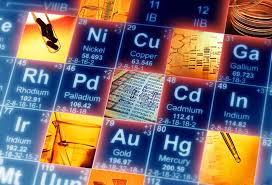
Beyond sand-based toys, there is a broader range of potentially unsafe toys that parents often overlook. First are products containing heavy metals such as lead, cadmium, and mercury. Studies show that these substances may be present in low-cost plastic toys, paints, and coatings, especially when produced without strict quality control.
Another category includes so-called “smart toys” — devices connected to the internet. Their risk is not toxicity but data security: some models may collect children’s personal information or contain vulnerabilities that allow external interference.

Other potentially hazardous items include:
— toys with small parts (choking hazard)
— cheap slime and craft kits (possible irritating chemicals)
— low-quality soft toys (sometimes containing toxic dyes)
Thus, the claim that “kinetic sand or other popular toys widely contain asbestos” is partially true but significantly oversimplified. Real contamination cases have been documented and confirmed, but they relate to specific batches and manufacturers rather than the entire product category.
The main conclusion is that toy safety today is less about a specific type of product and more about quality control, raw material sourcing, and compliance with safety standards. For parents, this means more careful selection: checking brands, ensuring certification, and avoiding suspiciously cheap products remain key ways to reduce risk.
Ultimately, children’s toys are not inherently a “hidden toxic threat,” but in certain cases they may pose risks — especially when manufacturing standards are violated. A rational approach is not to completely avoid popular toys, but to make informed choices and understand real risks rather than exaggerated fears.