Nik Dirga, AAP FactCheck
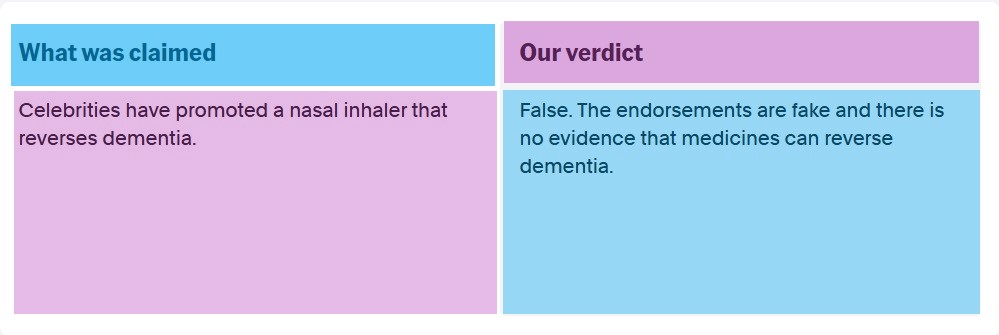
Celebrities are not promoting a nasal inhaler that allegedly reverses dementia, despite claims online.
The endorsements are fake, the product is not approved by regulators and there are no proven medications that reverse the onset of dementia.
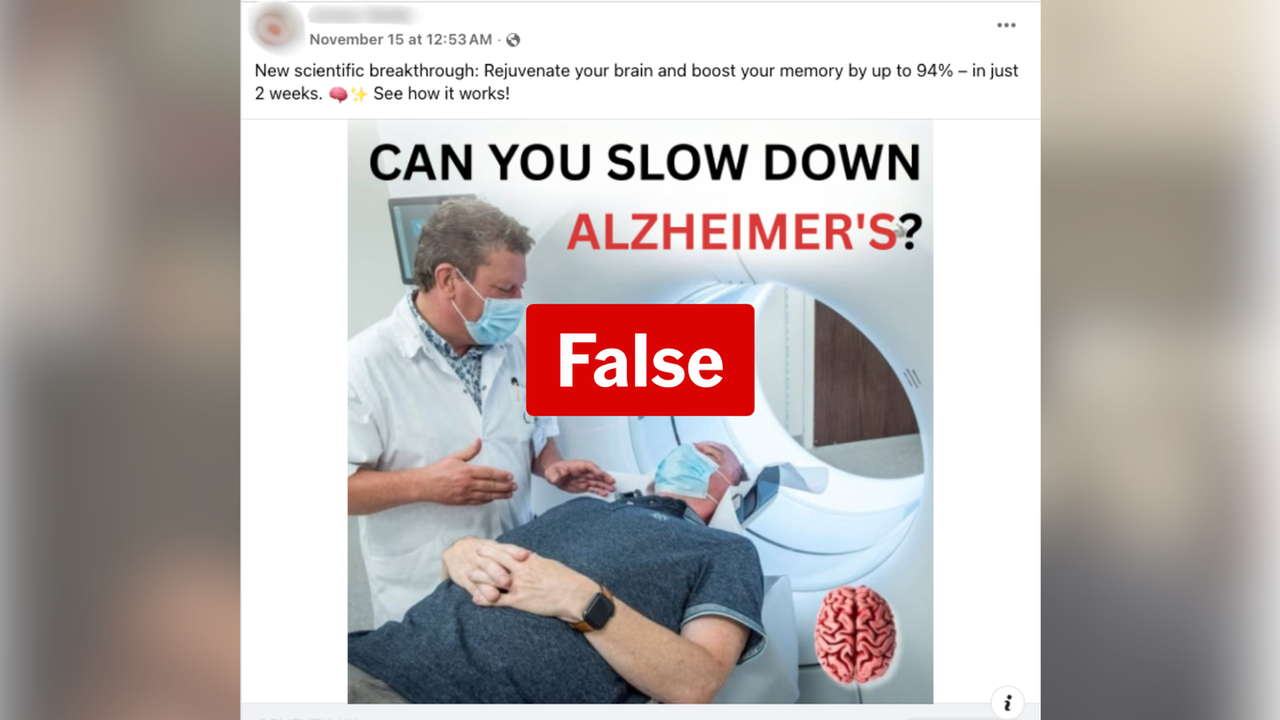
A number of Facebook ads are promoting a product as a "new scientific breakthrough".
"Rejuvenate your brain and boost your memory by up to 94% - in just weeks," the post reads.
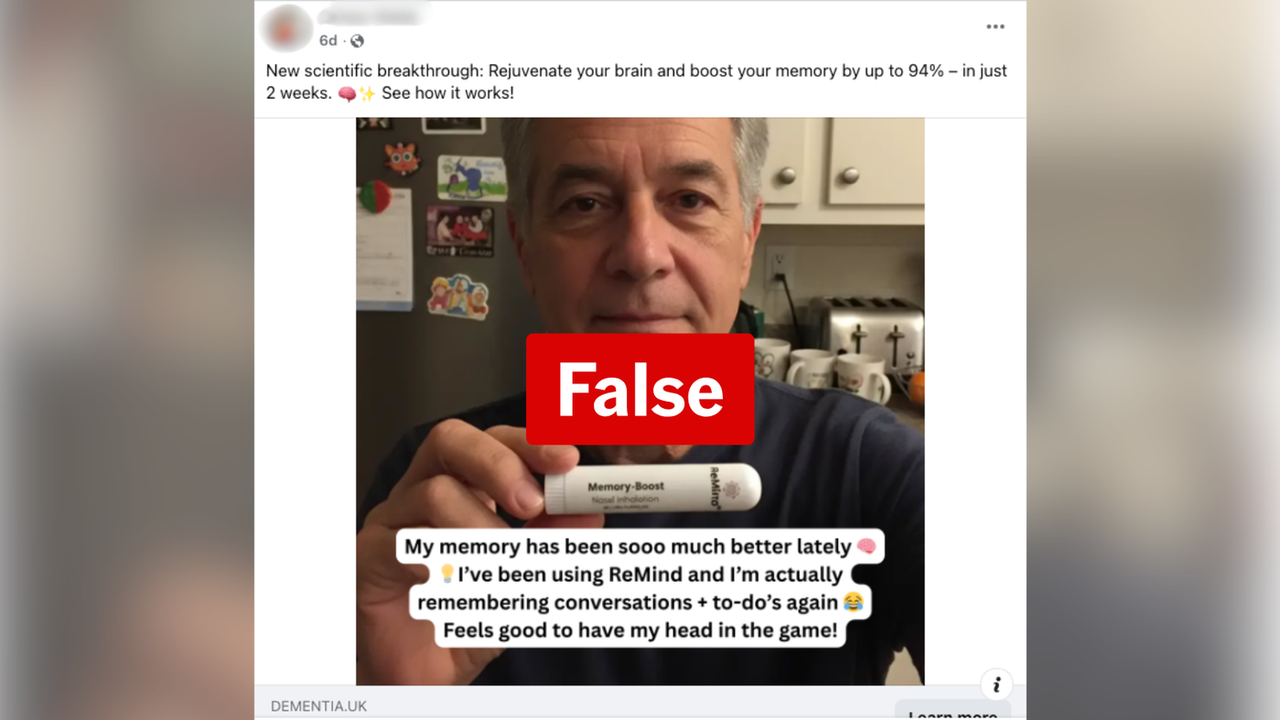
Another entices readers by asking "Can you slow down Alzheimer's?".
In particular, the adverts have gained traction in Papua New Guinea.
The Facebook ads feature links to a website that advertises a product called "ReMind" developed by a Dr Henry Arthur.
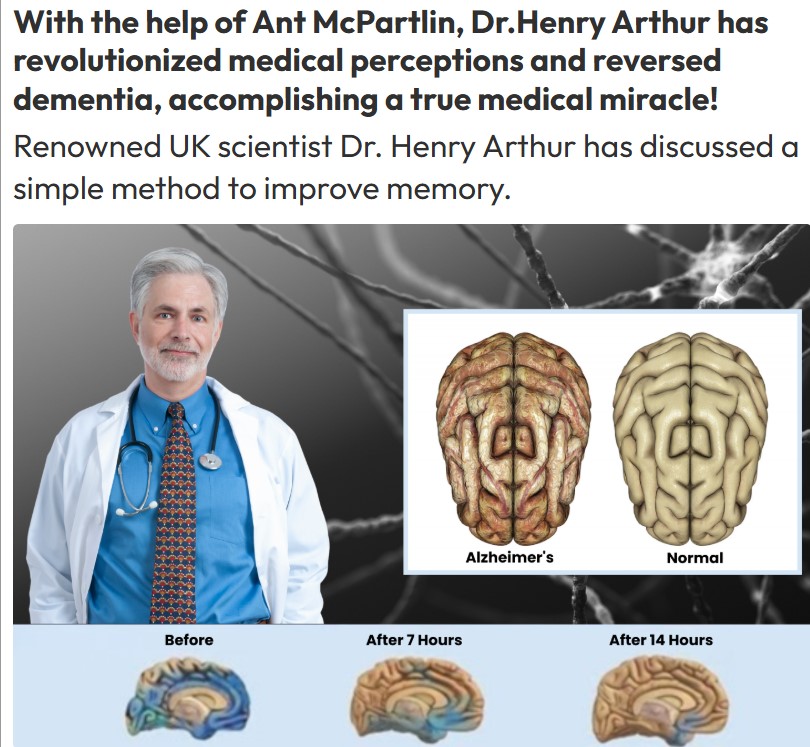
It claims it is "a true medical miracle" that has "completely revolutionized the dementia market in London".
However, the site appears to rely on false claims, nonexistent medical experts and faked celebrity testimonials, and there's no indication the product has actually been approved for use by British or Australian medical regulators.
A reverse image search shows the picture of "Dr. Henry Arthur" on the website is actually a stock image from the company iStock, titled "cheerful older doctor".
There are also no traces of work in the dementia field by the supposedly "renowned UK scientist".
The website claims that many celebrities used the product and features "testimonials" from actors Kate Winslet, Helen Mirren and Benedict Cumberbatch.
There's no indication any of these statements are real and there's no reputable reports of them making the quotes attributed to them.
The picture supposedly of Helen Mirren on the website is actually a French actress, Veronique Cloutier.
The testimony supposedly from Kate Winslet claims her mother suffered from Alzheimer's disease and has been helped by ReMind, and "that it's amazing to see her having fun playing with my son again!".
However, her mother died in 2017 from ovarian cancer. There is no suggestion she had Alzheimer's.
The website also claims that British television presenter Ant McPartlin provided ReMind with £3.5 million in research funding, but there are no legitimate reports that this is accurate.
Google Image searches also show that some of the non-celebrity testimonials appear to be fake. The image for the testimonial from "Evie" appears repeatedly on other health product websites under different names.
The website claims the "key ingredients" of ReMind are "ginko biloba", monk fruit extract, lavender, rosemary and mint and it works by smelling the concoction.
A Dementia UK spokesperson told AAP FactCheck it did not typically comment on third-party advertising or claims, but did recommend information on the charity's website on approved medication for treating Alzheimer's disease.
None of the ingredients listed on the ReMind website are mentioned.
There have been multiple studies into the effectiveness of ginkgo biloba.
A 2012 clinical trial published in The Lancet found it did not reduce the progression of Alzheimer's disease.
A randomised trial of 3000 people published by the Journal of American Medicine in 2009 also found it had no effect.

The Alzheimer's Research UK charity has also written that "it can't be recommended as a treatment or a prevention for Alzheimer's disease".
There's also no listing for the product "ReMind" as an approved medication on the Australian Register of Therapeutic Goods website or by the UK's Medicine & Healthcare products Regulatory Agency.
The post makes several sweeping claims about ReMind's efficacy, notably that it can "reverse" dementia.
However, as the British Alzheimer's Society's website explains, while some medications can temporarily help a person with their memory, there are no products that are proven to slow down or reverse dementia.
The advert also claims the medicine can "prevent" Alzheimer's. However, there is currently no proven way to prevent the disease, as stated by Alzheimers.gov, the NHS and Alzheimer's Research Australia.