

Chia seeds remain one of the most popular "healthy" foods on social media. They're added to smoothies, desserts, and diet recipes. We checked the most common claims about chia and figured out what's true and what's just marketing.
Claim 1: "Chia seeds are one of the best sources of omega-3"
Verdict: partially true.
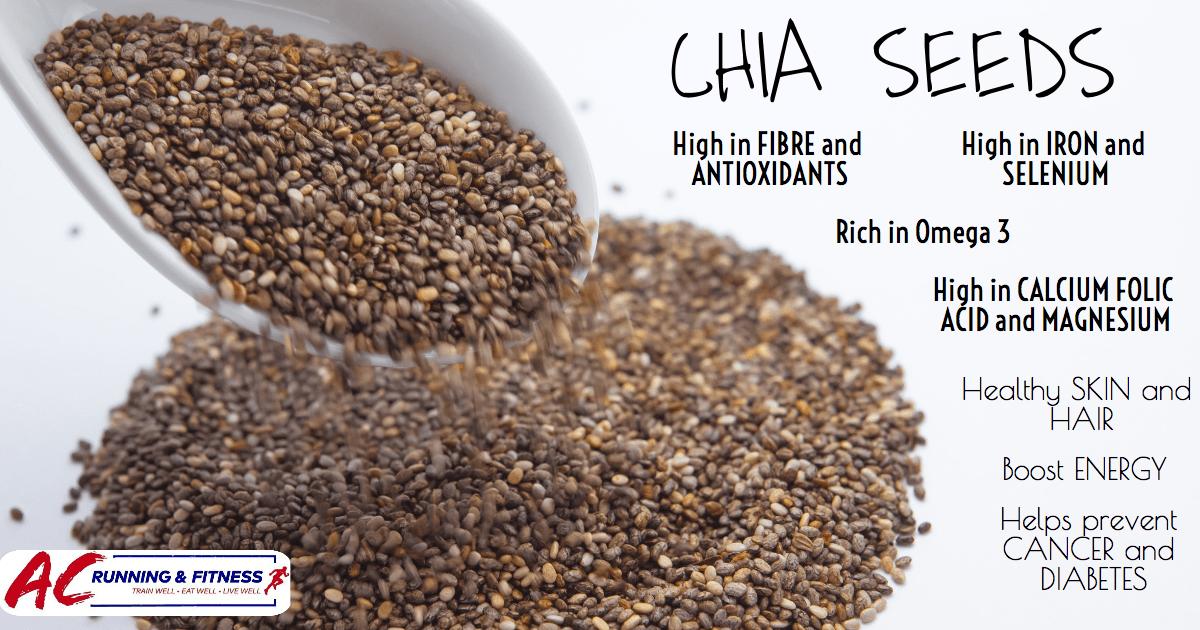
Chia does contain a large amount of omega-3, but it's the plant-based ALA form, which is poorly converted into EPA and DHA — the forms the body needs. There are benefits, but they're not comparable to fish or fish oil.
Claim 2: "Chia helps with weight loss"
Verdict: mostly a myth.
There's no scientific evidence of a direct effect on weight loss. Chia provides a feeling of fullness thanks to fiber, so it may indirectly help control appetite. But it doesn't lead to weight loss on its own.
Claim 3: "Chia seeds can be eaten dry — soaking is optional"
Verdict: partially true, but there's a potential danger.
Chia can absorb water in volumes exceeding their weight by more than 10 times. If you eat the seeds dry and immediately drink water, they may begin to swell intensively in the esophagus or stomach. Medical literature describes cases where dry chia caused difficulty swallowing and risk of esophageal obstruction, especially in people with swallowing disorders or sensitive digestive systems.
Conclusion: consuming chia dry is not recommended. Soaking or adding to liquid food reduces risks and makes the product safer for digestion.
Claim 4: "Chia is a superfood"
Verdict: an exaggeration.
Chia does contain a lot of fiber, calcium, magnesium, and antioxidants. But the term "superfood" is a marketing one. Similar nutritional properties are found in flaxseeds, nuts, and whole grains.
Claim 5: "Chia can be eaten in any quantity"
Verdict: false.
Nutritionists recommend 1–2 tablespoons per day. Excessive consumption can cause bloating, constipation, and discomfort due to high fiber concentration.
Claim 6: "Chia can cause allergies"
Verdict: true, but rare.
Allergies occur infrequently, more often in people sensitive to sesame and other seeds. In most cases, the product is well tolerated.
Claim 7: "Chia is high in calcium"
Verdict: true, but there's a nuance.
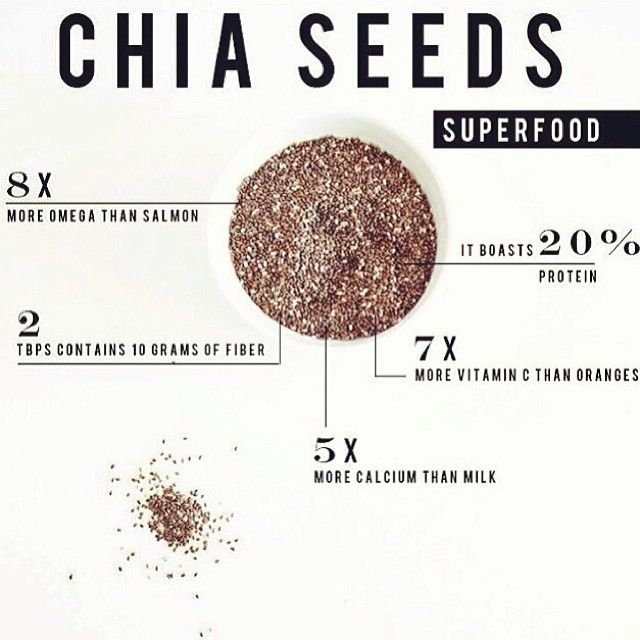
100 grams of chia contains about 600–700 mg of calcium, which is more than in milk. But to get such a dose, you need to eat a lot of seeds, which can cause digestive problems.
Claim 8: "Chia is good for the heart"
Verdict: partially true.
Fiber and plant-based omega-3 may help maintain normal cholesterol levels. But the effect is moderate, and chia doesn't replace medication or proper treatment.
Conclusion
Chia seeds are a healthy product rich in fiber and minerals. However, their properties are often exaggerated. Moderate consumption (1–2 tablespoons per day) provides benefits, but chia is not a "miracle remedy" for weight loss or treating diseases.