Fact-Check: Risks, Contraindications, and Dangerous Combinations
Key Takeaway
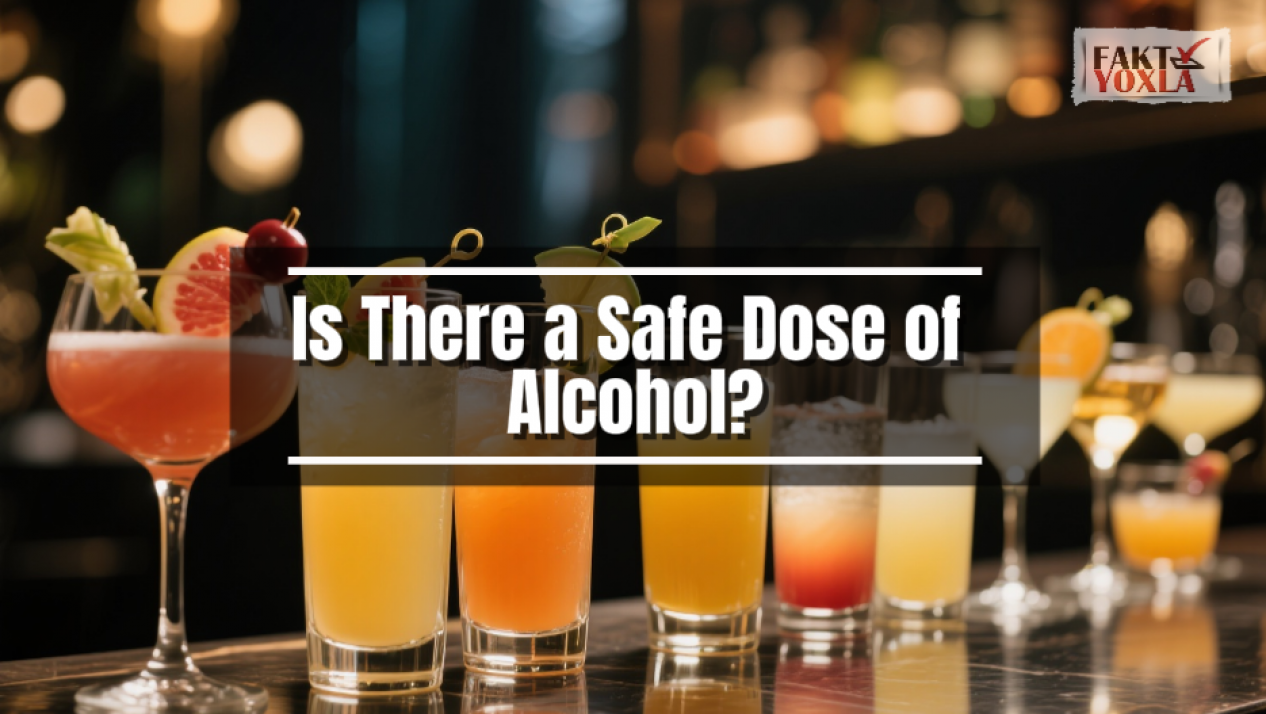
Modern science does not confirm the existence of a safe dose of alcohol. Even small amounts increase the risk of disease, and in some cases, alcohol can be particularly dangerous or fatal—especially when combined with certain conditions, medications, hot climates, and carbonated beverages.
World Health Organization Position
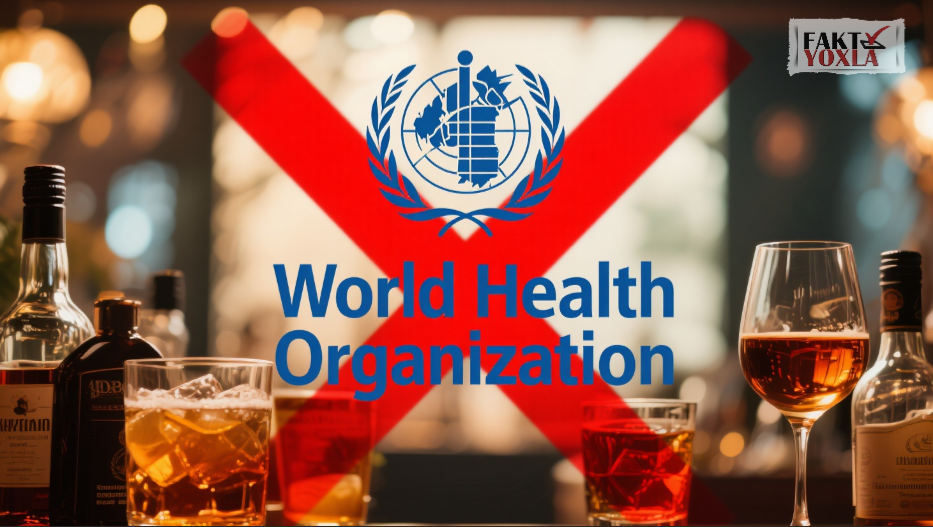
The WHO officially states: there is no level of alcohol consumption that is safe for health.
Key facts:
- Alcohol is classified as a Group 1 carcinogen
- The risk of cancer begins with the first doses
- The less alcohol consumed, the lower the risk; zero risk is only possible with complete abstinence
Important: the previously popular concept of "moderate" consumption does not mean safety, but only lower risk compared to abuse.
Why Alcohol Is Harmful Even in Small Doses
Even a small amount of alcohol can:
- increase the risk of cancers of the mouth, throat, esophagus, liver, colon, and breast
- raise blood pressure
- negatively affect the liver and pancreas
- impair sleep quality and nervous system function
- intensify inflammatory processes in the body
The previously discussed "heart benefits" of moderate consumption are now considered methodologically questionable and do not outweigh the identified risks.
Who Should Avoid Alcohol
Alcohol is particularly dangerous or contraindicated for people with:
- liver diseases (hepatitis, fatty liver disease, cirrhosis)
- stomach and gastrointestinal diseases (gastritis, ulcers, pancreatitis)
- cardiovascular diseases
- diabetes
- neurological and psychiatric disorders, epilepsy
- cancer
- metabolic disorders
Pregnant and Breastfeeding Women

Even minimal doses of alcohol can lead to fetal alcohol syndrome and impaired brain and organ development in the fetus. There is no safe dose during pregnancy.
Children and Adolescents
Alcohol disrupts brain development, increases the risk of addiction in adulthood, and raises the likelihood of injuries and accidents.
People Taking Medications
Alcohol dangerously interacts with antibiotics, antidepressants, tranquilizers, painkillers (especially those containing acetaminophen), sleeping pills, and psychotropic drugs. Such combinations can suppress breathing and consciousness, leading to fatal outcomes.
When Alcohol Can Be Deadly

Alcohol Poisoning
With rapid or excessive consumption, the liver cannot process ethanol fast enough, and blood alcohol levels continue to rise even after stopping drinking. Coma, respiratory arrest, and death are possible.
Low-Quality Alcohol and Surrogates
Beverages containing methanol or industrial alcohols can cause blindness, severe brain damage, and rapid death even in small doses.
Heat, Dehydration, and Tropics
In hot climates, alcohol intensifies dehydration, disrupts thermoregulation, and increases strain on the heart and blood vessels. This significantly raises the risk of fainting, heat strokes, and other complications.
Alcohol + Sugar + Carbonation: Why This Is Particularly Dangerous

This is one of the most underestimated yet risky combinations, especially popular among tourists at resorts.
What Happens in the Body
Carbonation accelerates alcohol absorption. Carbon dioxide irritates the stomach lining, speeds up alcohol entry into the bloodstream, and leads to faster and stronger intoxication.
Sweet drinks mask the strength. A person drinks more than planned, loses control over the dose, which increases the risk of poisoning.
Sugar + alcohol = double burden on the liver. Fat production in the liver increases, the risk of hypoglycemia rises (especially in people with diabetes), and dehydration worsens.
Sweet tropical fruits + alcohol. Some fruits enhance fermentation in the gastrointestinal tract and can cause sharp sugar spikes. Combined with alcohol, this increases the risk of nausea, vomiting, and intoxication.
This is why severe alcohol poisoning is often recorded at resorts even among people who "drank just a little."
Final Conclusions
- There is no safe dose of alcohol—this is confirmed by the WHO
- Even small doses increase the risk of disease
- For many groups of people, alcohol is completely contraindicated
- Under certain conditions (heat, medication use, sweet carbonated drinks, rapid consumption), alcohol can be deadly
- Complete abstinence is the only way to completely eliminate risks
Sources
1. World Health Organization — Alcohol and health
2. WHO Europe — No level of alcohol consumption is safe for our health (2023)
3. The Lancet Public Health / WHO — Alcohol and cancer risks
4. Mayo Clinic — Alcohol poisoning
5. CDC — Alcohol use and risks
6. Healthline — Alcohol, sugar and dehydration