

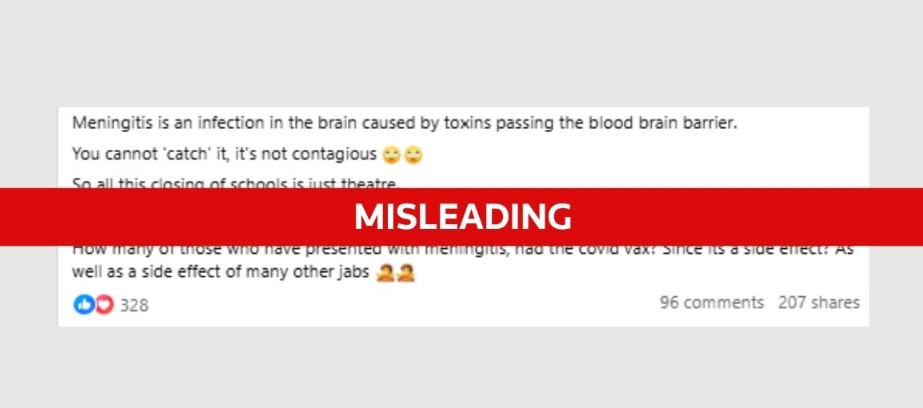
The meningitis outbreak in Kent, in southeastern England, is caused by a bacterial infection and is therefore contagious, contrary to a misleading Facebook post that gained traction on X claiming meningitis is caused by “toxins” and cannot be passed on.
The post said, opens new tab, without providing any source or evidence: “Meningitis is an infection in the brain caused by toxins passing the blood brain barrier. You cannot ‘catch’ it, it's not contagious.”
It went on to characterise school closings in response to the outbreak as “theatre” meant to frighten people into vaccinating their children.
However, meningitis can have several causes, most of which are contagious, while a small minority of cases are not. All evidence supports the outbreak in Kent being caused by a contagious bacterial infection.
INFLAMED MEMBRANE
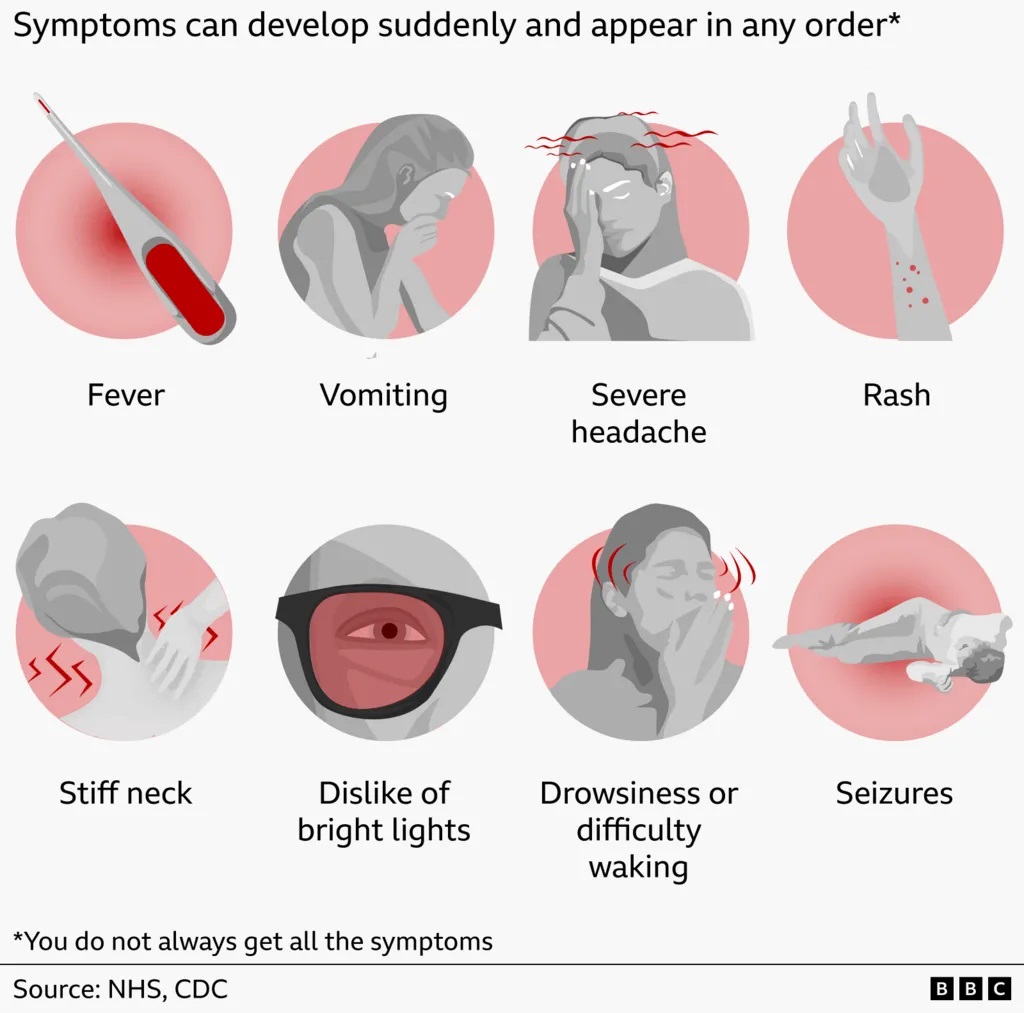
Meningitis is the term describing an inflammation of the protective membranes (meninges) that cover the brain and spinal cord. This inflammation is most often, opens new tab caused by infectious bacteria, viruses or parasites, according to, opens new tab the World Health Organization.
Britain's National Health Service also says meningitis is usually caused, opens new tab by viral or bacterial infections. These infections can be spread between people, usually through close and prolonged contact, such as through sneezing, coughing or kissing.
While the meninges and the so-called blood-brain barrier normally protect the brain and spine from microbes, researchers have found meningitis-causing bacteria, as well as toxins those bacteria produce, can sometimes cross the blood-brain barrier, opens new tab. This is a result of a bacterial infection in the bloodstream reaching the brain, not its cause.
Cases of meningitis with non-infectious, opens new tab causes, including injuries, cancers or a reaction to certain drugs, make up the minority.
For example, one study, opens new tab of 47,366,222 hospitalised patients in Japan between 2016 and 2022 found nearly 49,000 were cases of acute meningitis. Of these, 4,755 cases, or about 10%, were due to non-infectious causes, mainly cancer-related.
CONTAGIOUS OUTBREAK IN KENT
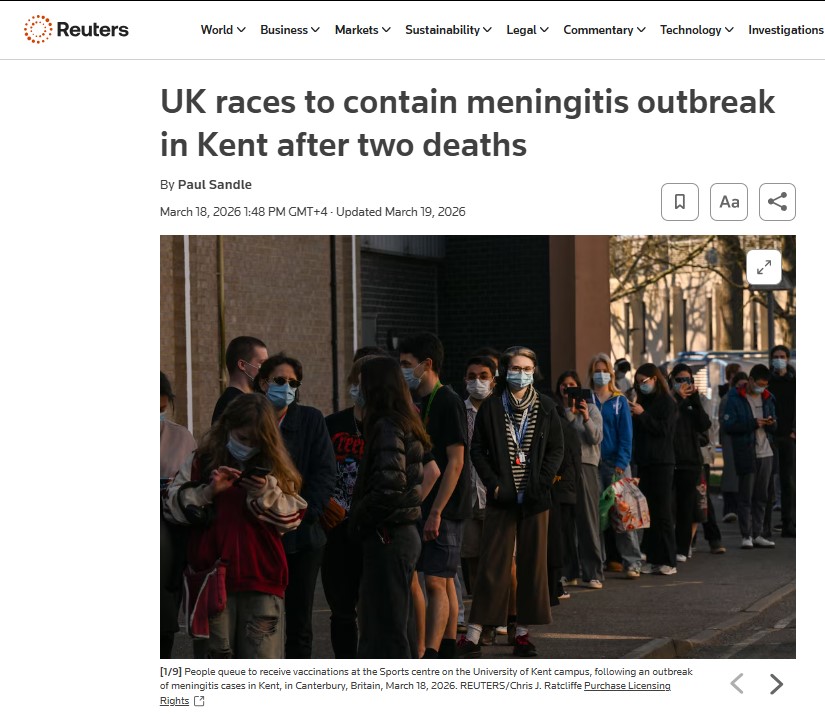
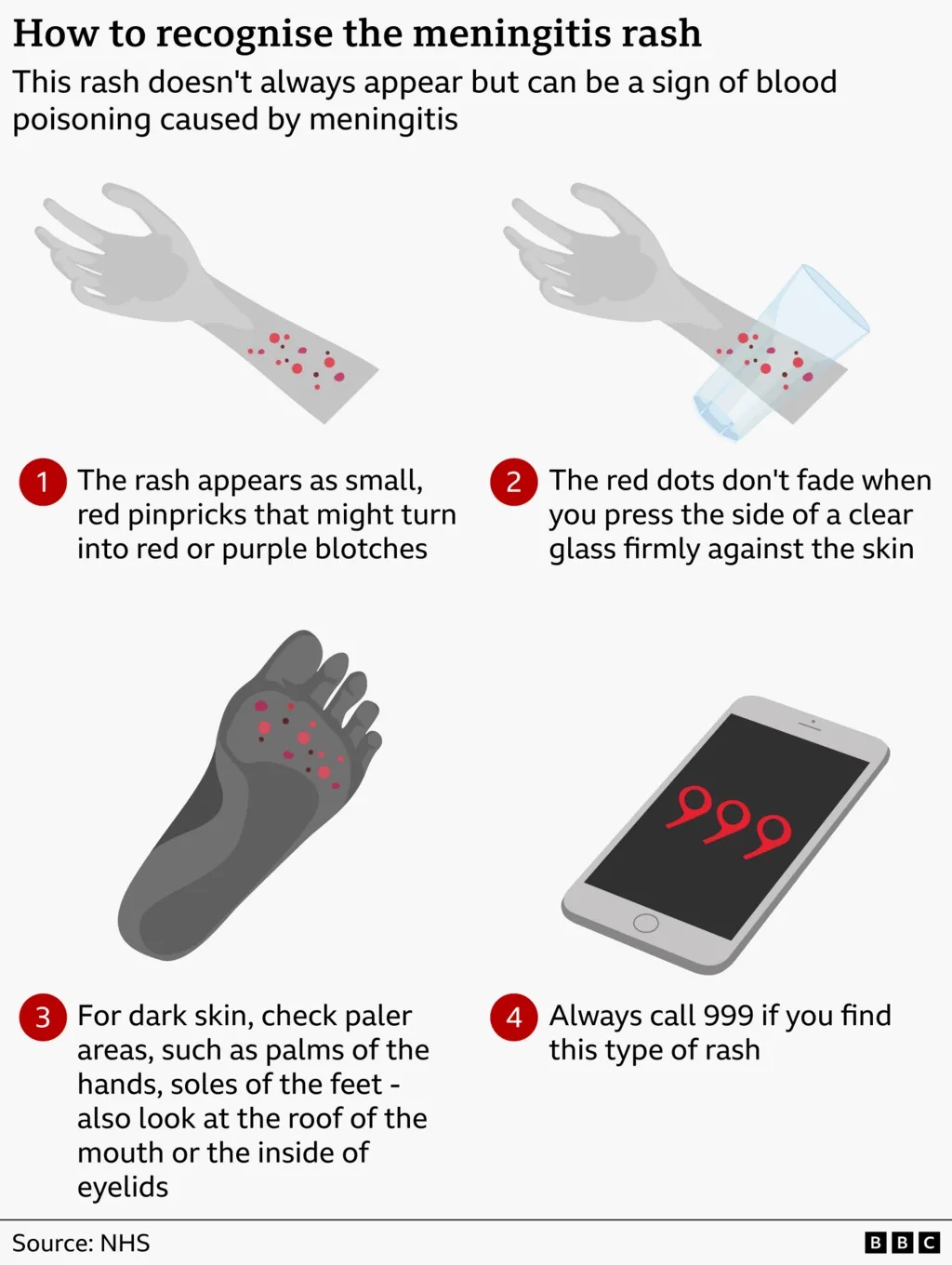
The UK Health Security Agency has linked, opens new tab the 2026 meningococcal disease outbreak in Kent, which has seen two fatalities, to the meningococcal bacteria, opens new tab group B (MenB). This means the infection spreading in Kent is contagious.
Evidence shows that meningococcal disease can be transmitted between people. One Norwegian population-based study of 1,500 people in contact with 48 patients with meningococcal disease found that contacts had a 12.4% risk of carrying the pathogenic meningococcus, opens new tab if they were kissing contacts or household members. MenB accounted for 30 of the 48 cases studied.
“We have clear evidence from the UK and from the meningitis belt in West Africa that the mode of transmission of this bacterium is from person-to-person on heavy droplets through close contact,” Bharat Pankhania, senior clinical lecturer at the University of Exeter Medical School, told Reuters. “This bacteria in Kent is proving to be transmissible through close contact from affected or asymptomatic carriers of it.”
As of 5 p.m. on March 19, 18 laboratory cases of meningococcal disease have been confirmed, with 11 notifications remaining under investigation, bringing the total to 29, the UKHSA reported., opens new tab
VERDICT
Misleading. While a small minority of meningitis cases are due to non-infectious causes, the majority are contagious, including the meningococcal disease outbreak in Kent in March 2026.