
Avocados have long earned a reputation as one of the healthiest foods in the modern diet. However, numerous conflicting claims continue to surround them. Some describe avocados as a superfood, while others warn about potential health risks, dangers to animals, and even toxicity to humans. What does the scientific evidence actually say?
The avocado is the fruit of the Persea americana tree. Unlike most fruits, it contains relatively little sugar and is rich in monounsaturated fats, dietary fiber, vitamins, and minerals. This unusual nutritional profile largely explains both its popularity and the many myths associated with it.
One of the most common claims is that avocados are unhealthy because of their high fat content. It is true that avocados are more calorie-dense than many other fruits. However, most of their fat consists of monounsaturated fatty acids, which are widely regarded as part of a balanced diet and have been extensively studied in relation to cardiovascular health.
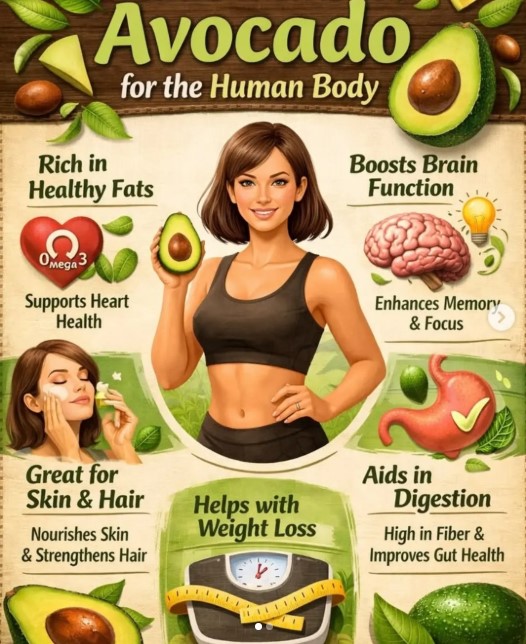
Another frequently repeated claim is that avocados contribute to excessive weight gain. In reality, body weight is influenced primarily by overall energy balance. While avocados do contain a significant number of calories, their combination of fiber and healthy fats may help promote satiety and support appetite control.
Some people also claim that avocados may be dangerous to humans because they contain a substance known as persin. Persin is a natural compound produced by the plant as a defense against fungal infections. The highest concentrations of persin are found in the leaves, skin, seed, and other parts of the plant. Scientific evidence does not support the idea that consuming avocado flesh in normal amounts poses a risk to healthy individuals. On the contrary, the edible flesh contains only small amounts of persin and is generally considered safe for human consumption.
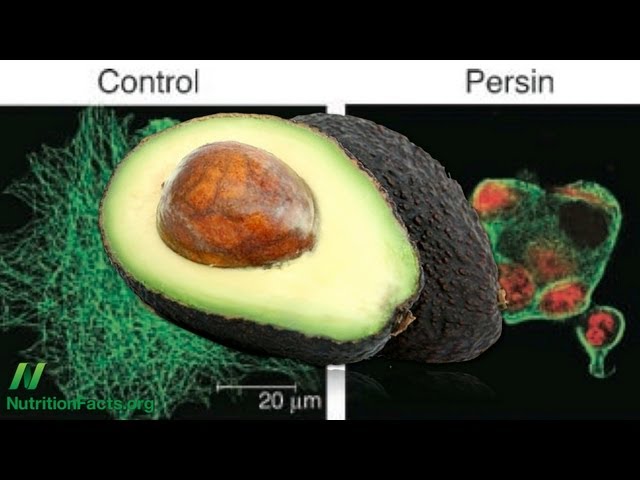
The question of avocado toxicity in animals is particularly noteworthy. In this case, the commonly repeated warning does have a scientific basis, although it requires important clarification. Some animal species are considerably more sensitive to persin than humans. Birds are regarded as especially susceptible, as are certain livestock animals, including horses, goats, and cattle. For these animals, consuming parts of the avocado plant may lead to serious health consequences.
At the same time, the popular claim that avocados are deadly to all pets is inaccurate. According to veterinary data, dogs and cats are significantly less sensitive to persin. Small amounts of avocado flesh do not typically cause severe poisoning, although the skin, leaves, and especially the pit may still present risks. In addition, swallowing the pit can lead to gastrointestinal obstruction.

The internet also contains claims that avocados either repel or attract wasps and other insects. To date, there is no convincing scientific evidence demonstrating any unique effect of avocados on wasps. Like many other fruits, ripe or damaged avocados may attract insects because of their sugars and aromatic compounds. However, scientific literature does not describe any special properties that make avocados either particularly dangerous or exceptionally attractive to wasps compared with other fruits.
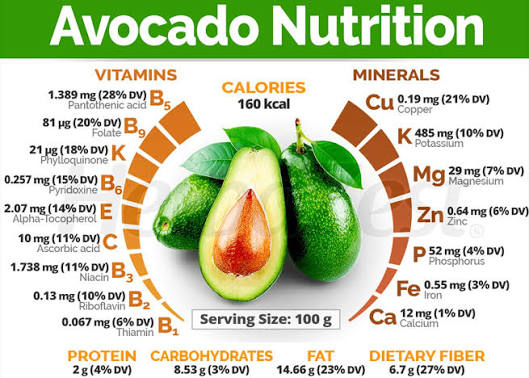
Avocados contain dietary fiber, potassium, vitamin E, vitamin K, folate, and a variety of antioxidants. Owing to this nutritional composition, they can form part of a diverse and balanced diet.
Overall, most of the alarming claims surrounding avocados are not supported by scientific evidence. For healthy individuals, moderate avocado consumption is generally considered safe. However, concerns regarding the toxicity of certain parts of the plant to specific animal species do have a legitimate scientific foundation. As is often the case in nutrition, the most accurate conclusion lies somewhere between the extremes: avocados are neither a miracle food nor a hidden threat to human health.