
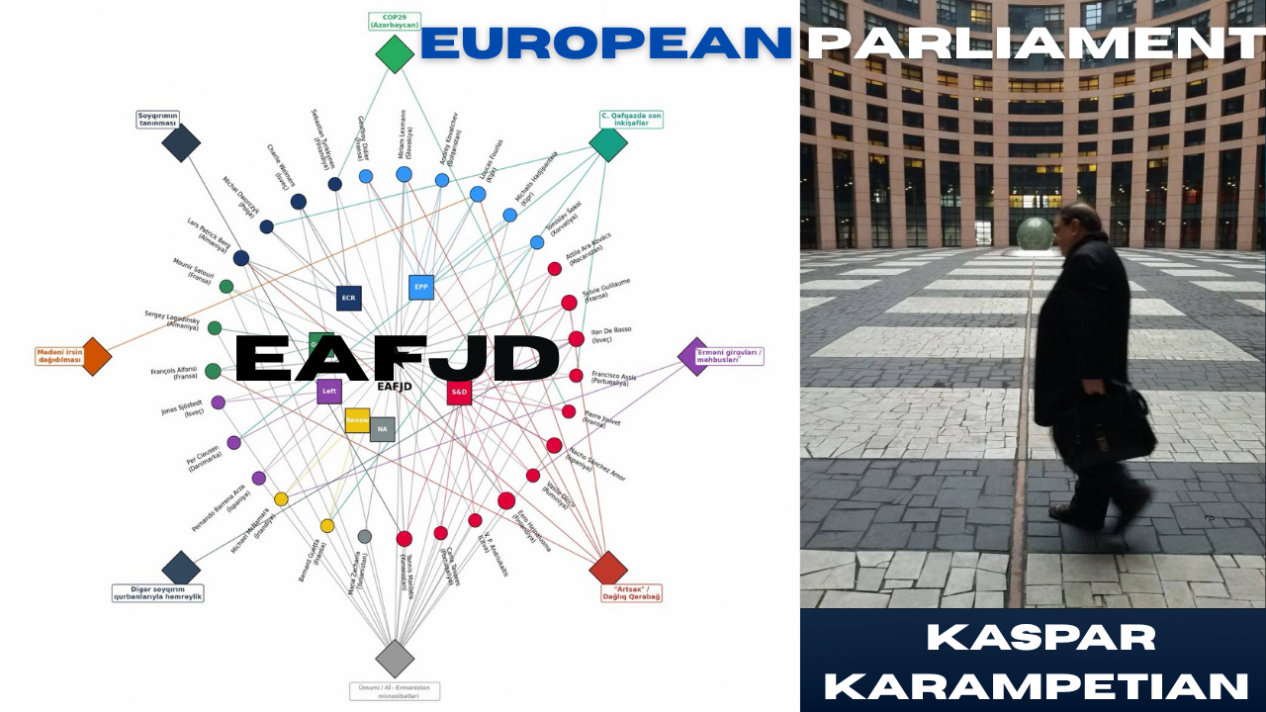
It has long been observed that European politicians, officials and lawmakers who maintain close ties with Armenian lobbying circles often become advocates not only of Armenian interests, but also of Russian and Iranian agendas.
The European Union recently adopted its 21st package of sanctions against Russia. Yet, under the very nose of the EU leadership, lobbying efforts aligned with Moscow and Tehran continue within European institutions.
Politicians exposed to this influence frequently begin promoting arguments that echo Russian foreign policy narratives. This certainly does not apply to everyone, but the pattern appears to be becoming increasingly systematic. Social democratic political circles seem to be particularly active in maintaining close ties with Armenian lobbying organisations.
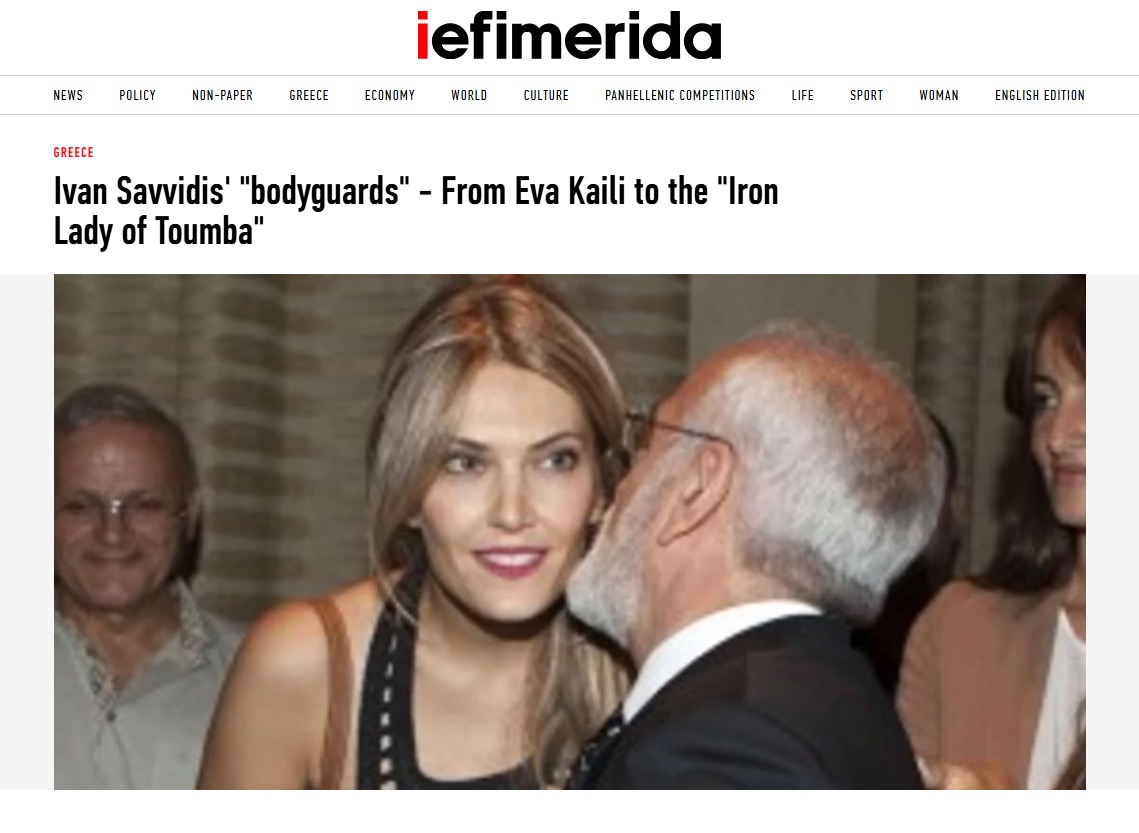
One prominent example is Eva Kaili, the former Vice-President of the European Parliament, whose case is discussed in greater detail below. Other politicians and members of European parliamentary institutions have criticised NATO or adopted positions that contradict the broader Euro-Atlantic consensus. Many of them have also been linked to Armenian organisations operating in Europe, particularly the European Armenian Federation for Justice and Democracy (EAFJD), which presents itself as a civil society organisation while pursuing openly political lobbying objectives.
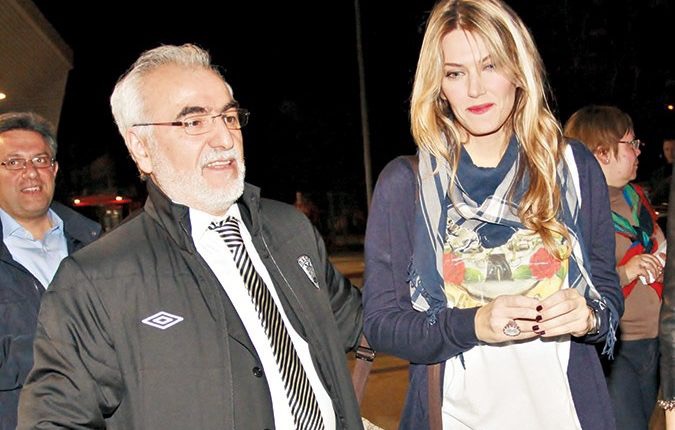
Following Russia’s invasion of Ukraine in February 2022, it became increasingly difficult for Moscow to maintain direct contacts with European officials and politicians. Russia therefore needed intermediaries in the form of lobbying organisations. The EAFJD appears to have been particularly well suited to this role.
Armenian lobbying structures have aligned themselves with Russian interests without necessarily maintaining visible or direct links to Russian institutions. Through their activities, European decisions concerning Russia have repeatedly encountered political resistance.
This does not mean that every European politician associated with the Armenian federation automatically becomes an "agent" of Russia. Nevertheless, the existence of a broader pattern should not be ignored.
The European Armenian Federation for Justice and Democracy (EAFJD) is an umbrella organisation coordinating committees and associations that claim to represent and defend the interests and rights of Armenian diaspora communities across Europe. It brings together organisations from more than a dozen European countries, including France, Germany, Belgium, Sweden and the Netherlands.
The EAFJD has long since moved beyond the role of an ordinary civil society organisation. Over the years, it has developed into a well-established mechanism of political influence. Since Kaspar Karampetian assumed its leadership in 2011, the federation has steadily strengthened its position within the institutions of the European Union.
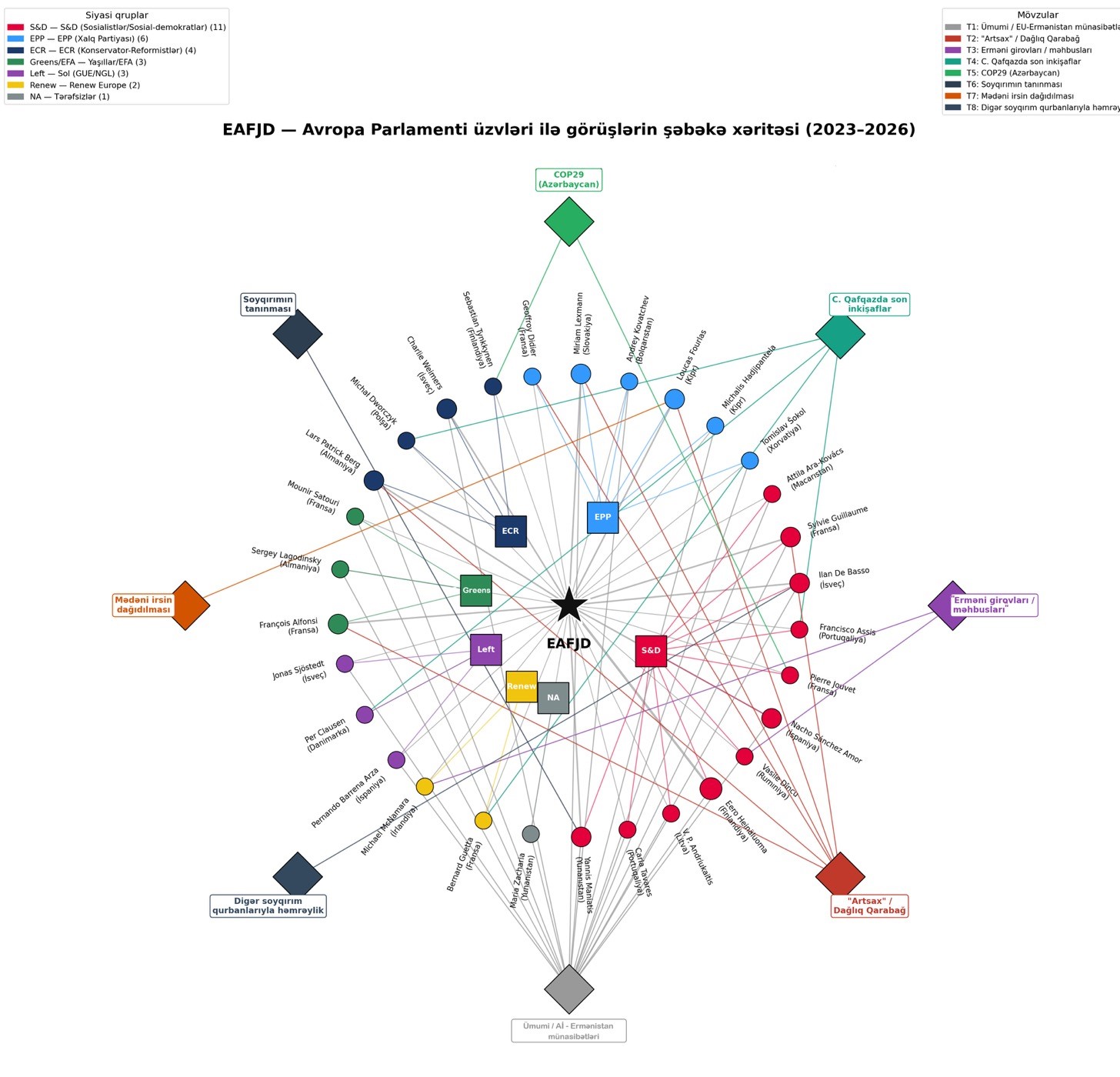
An investigation by the Faktyoxla media outlet provides a detailed picture of how this system allegedly operates and whose interests it may ultimately serve.
According to the investigation, between February 2023 and April 2026, EAFJD representatives held 41 official meetings with 30 Members of the European Parliament (MEPs). Its engagement with the Progressive Alliance of Socialists and Democrats (S&D Group) is particularly notable, accounting for 17 recorded meetings.
The federation's activities do not appear to be random. They are focused on some of the most influential bodies within the European Parliament. Its primary targets include the Committee on Foreign Affairs (AFET), the Subcommittee on Human Rights (DROI), the Euronest Parliamentary Assembly, and parliamentary delegations responsible for relations with Armenia, Azerbaijan, Türkiye, Russia and Iran.
The geographical spread of these meetings is equally noteworthy. The EAFJD has engaged with politicians from France, Sweden, Greece, Cyprus, Portugal, Finland, Spain, Poland, Lithuania and Romania—countries where Armenian diaspora groups have
Source: Faktyoxla.az