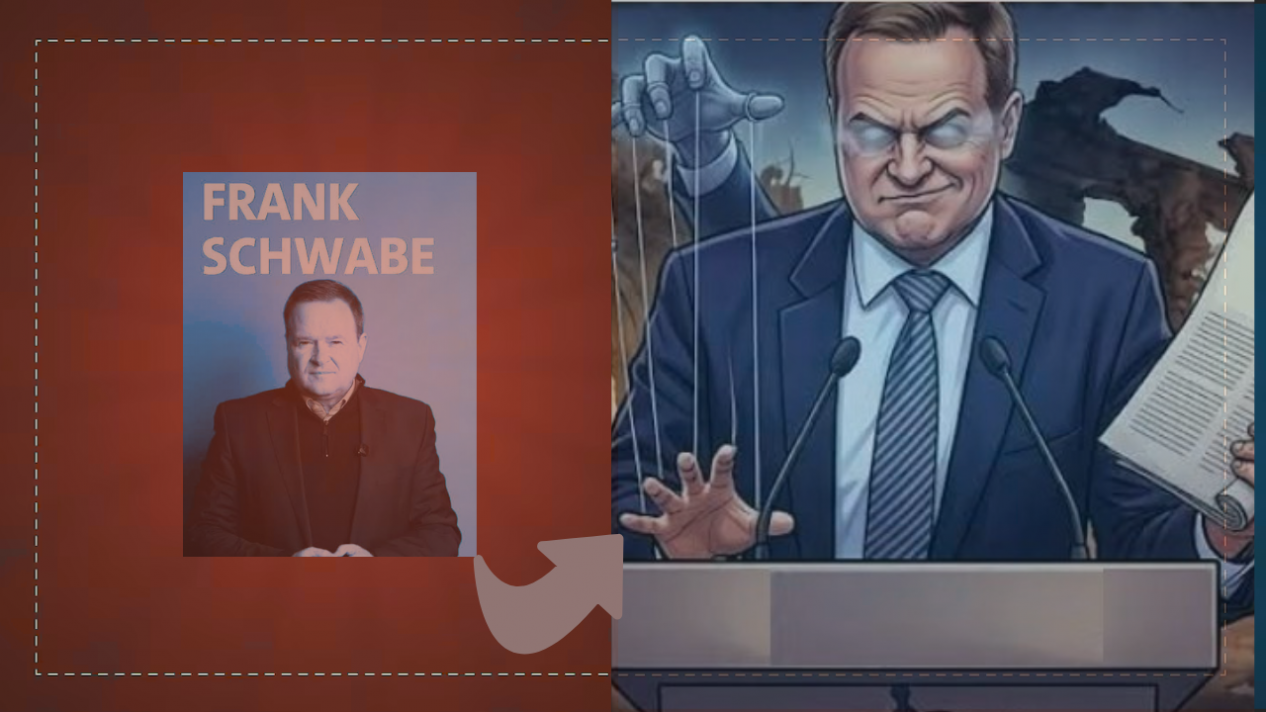
In an article published by Germany's renowned Frankfurter Allgemeine Zeitung on May 26, 2013, titled "A Stain on the Résumé: Leading German Politicians Conceal the Fact That They Never Completed University", journalist Markus Wehner wrote that a number of prominent German politicians and public figures had failed to complete their university education but concealed this fact in their official biographies out of fear of public criticism and embarrassment, News.Az reports, citing Faktyoxla.
One notable detail in the article is that among those interviewed was Frank Schwabe, who had been a member of the German Bundestag since 2005. At the time, Schwabe was not particularly well known, but in recent years his name has appeared frequently in public discourse.
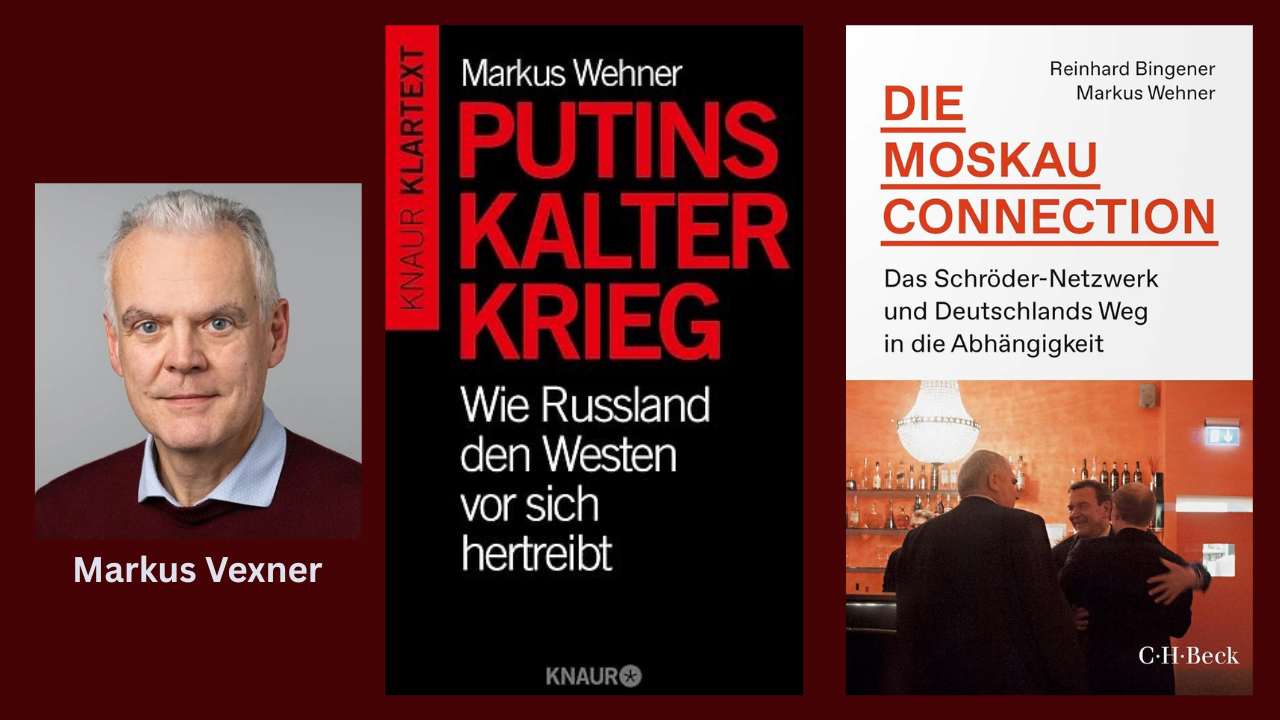
Before examining Schwabe's admissions to Markus Wehner, it is worth noting several details about the journalist himself.
The 63-year-old Wehner studied Eastern European history, political science, and Slavic studies in Freiburg and Berlin. Between 1992 and 1993, he conducted research in Moscow, and in 1996 he defended his doctoral dissertation on the early years of Soviet history. Regarded as an expert on Russia, Wehner served as the Frankfurter Allgemeine Zeitung's Moscow correspondent from 1999 to 2004. He is the author and co-author of the books Putin's Cold War: Russia's Drive Against the West (2016) and The Moscow Connection: The Schröder Network and Germany's Road to Dependency (2023).
Frank Schwabe's Higher Education
Schwabe's interview regarding his academic background reveals that the statement on the Bundestag's official website—that he "first studied economics at the University of Osnabrück and later landscape management, history, political science, and sociology at the University of Essen"—while not technically false, constitutes a clear case of information manipulation.
In reality, Schwabe failed to complete a four-year bachelor's degree program despite spending more than ten years enrolled and was eventually expelled from the university.
When asked about this discrepancy, he responded that it "would have been more honest to write 'without a degree,'" while also adding that "everyone is free to decide what they emphasize in their CV." This response demonstrates the extent of his willingness to manipulate information.
According to Wehner, the frequent edits made to Schwabe's incomplete educational record on Wikipedia indicate how uncomfortable he was with the issue. Schwabe himself admitted that members of his office repeatedly edited or removed the information. However, despite thirteen years having passed since that interview, the German-language version of Wikipedia still states that he never completed his university education. It appears that Schwabe and his team eventually grew tired of repeatedly trying to erase this information.
This raises an obvious question: What else is being concealed behind the information Schwabe presents as public fact?
Connections with Russia
In an interview with the Bundestag's official media outlet on November 14, 2011, when asked, "Where do your political roots come from?", Schwabe laughed and replied, "My grandfather was a member of the SPD." This seemingly casual remark actually points to much deeper roots.
It should first be noted that the Social Democratic Party of Germany (SPD), founded in 1875 through the merger of several small socialist parties and shaped by Marxist ideology, split after World War II. While the West German SPD continued its activities, SPD members in East Germany were forced under Soviet influence and pressure in 1946 to merge with the Communist Party of Germany (KPD), forming the Socialist Unity Party (SED), which remained in power until 1989.
Like his father—who worked in coal mines for 35 years—and his grandfather, both representatives of the Ruhr region's working class, Frank Schwabe remained committed to socialist ideals and joined the SPD in 1991.
Schwabe has stated that his nomination as a parliamentary candidate came as a surprise. By saying, "Müntefering (the party chairman) and Schröder (the Federal Chancellor) never consulted me about their plans," he hinted at the level at which his parliamentary mandate had been arranged.
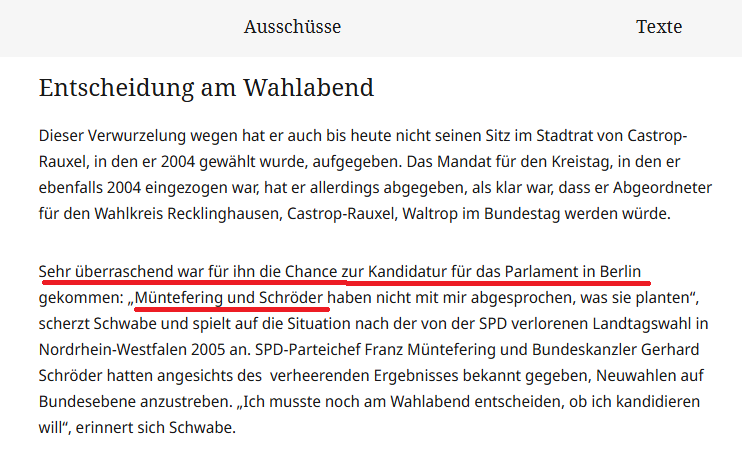
Incidentally, Markus Wehner's co-authored book The Moscow Connection is dedicated to former German Chancellor Gerhard Schröder, widely known as "Putin's close friend."
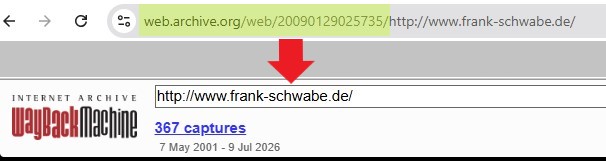
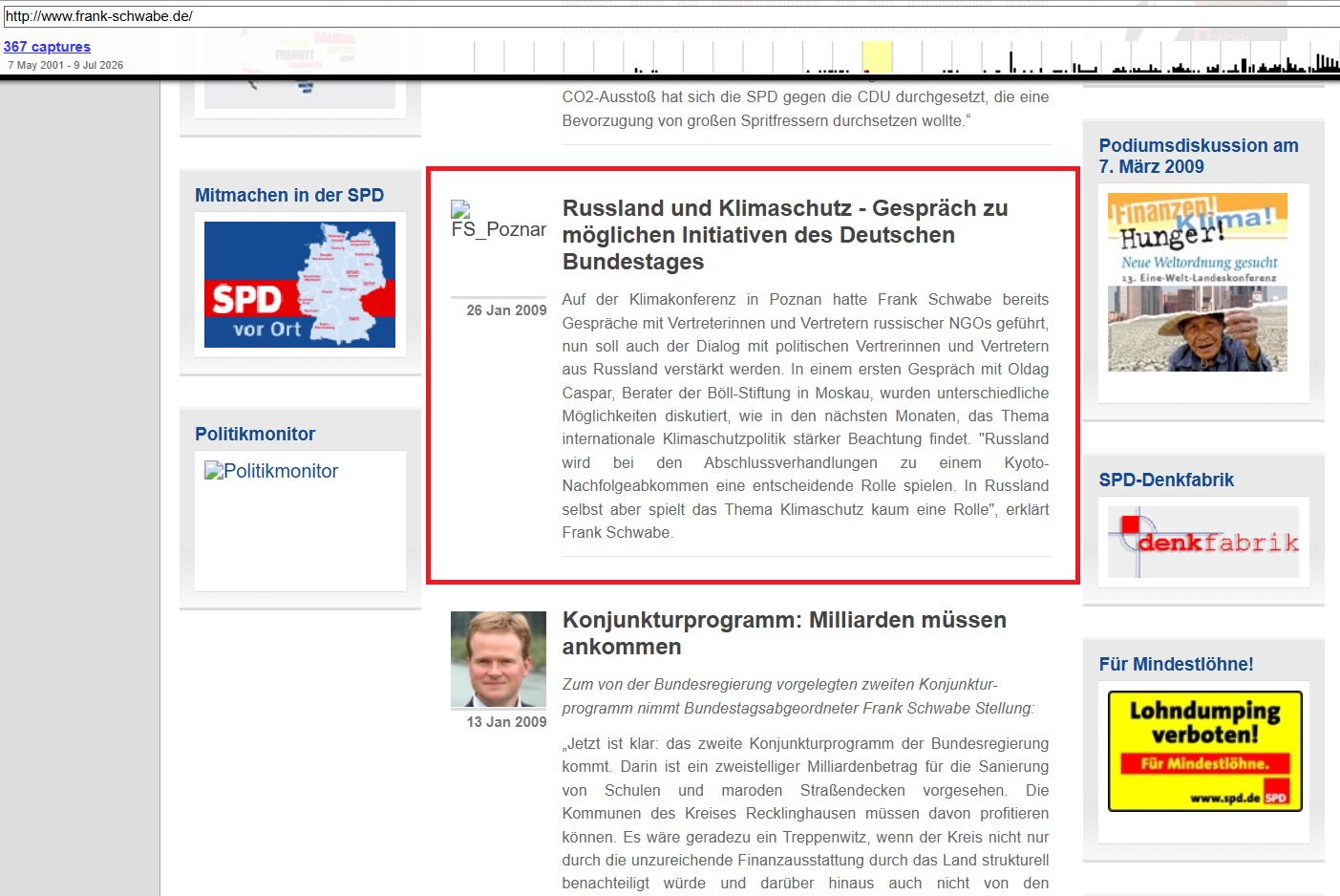
Although it is unclear when Schwabe first established contacts with Russians, our research uncovered an article that had once appeared on his former personal website (https://frank-schwabe.de/) but was later removed from all platforms.
In a short article dated January 26, 2009, titled "Russia and Climate Protection – Discussions on Possible Initiatives in the German Bundestag," Schwabe wrote that he had already met with representatives of Russian NGOs during the Poznań Climate Change Conference in Poland in December 2008 and argued that dialogue with Russian politicians should also be strengthened.
While it cannot be stated with certainty whether these individuals truly represented NGOs or Russian intelligence services, or whether Schwabe subsequently met directly with Russian politicians, his later Russia-related activities only deepen these suspicions.
Crimea and the Council of Europe
Following Russia's annexation of Ukraine's Crimean Peninsula in March 2014 and the subsequent sanctions imposed by Western countries, Schwabe gave an interview to the Bundestag's official media outlet on April 2 under the headline "Schwabe: Do Not Exclude Russia."
Asked whether the Russian delegation's accreditation in the Parliamentary Assembly of the Council of Europe (PACE) should be completely revoked, he argued that such a step would be wrong and stressed the importance of maintaining dialogue with Russian parliamentarians. He also referred to the annexation of Crimea merely as "Moscow's activities in Crimea."
Schwabe further argued that NATO's eastward expansion had failed and maintained that the crisis should be resolved through diplomacy and peaceful negotiations.
Overall, his interview sounded more like the statements of a Russian diplomat than those of a Western politician.
It should be recalled that after the Russian delegation was stripped of its voting rights in PACE in 2014, those rights were restored in June 2019. Schwabe was among those who voted in favor of Russia's return.
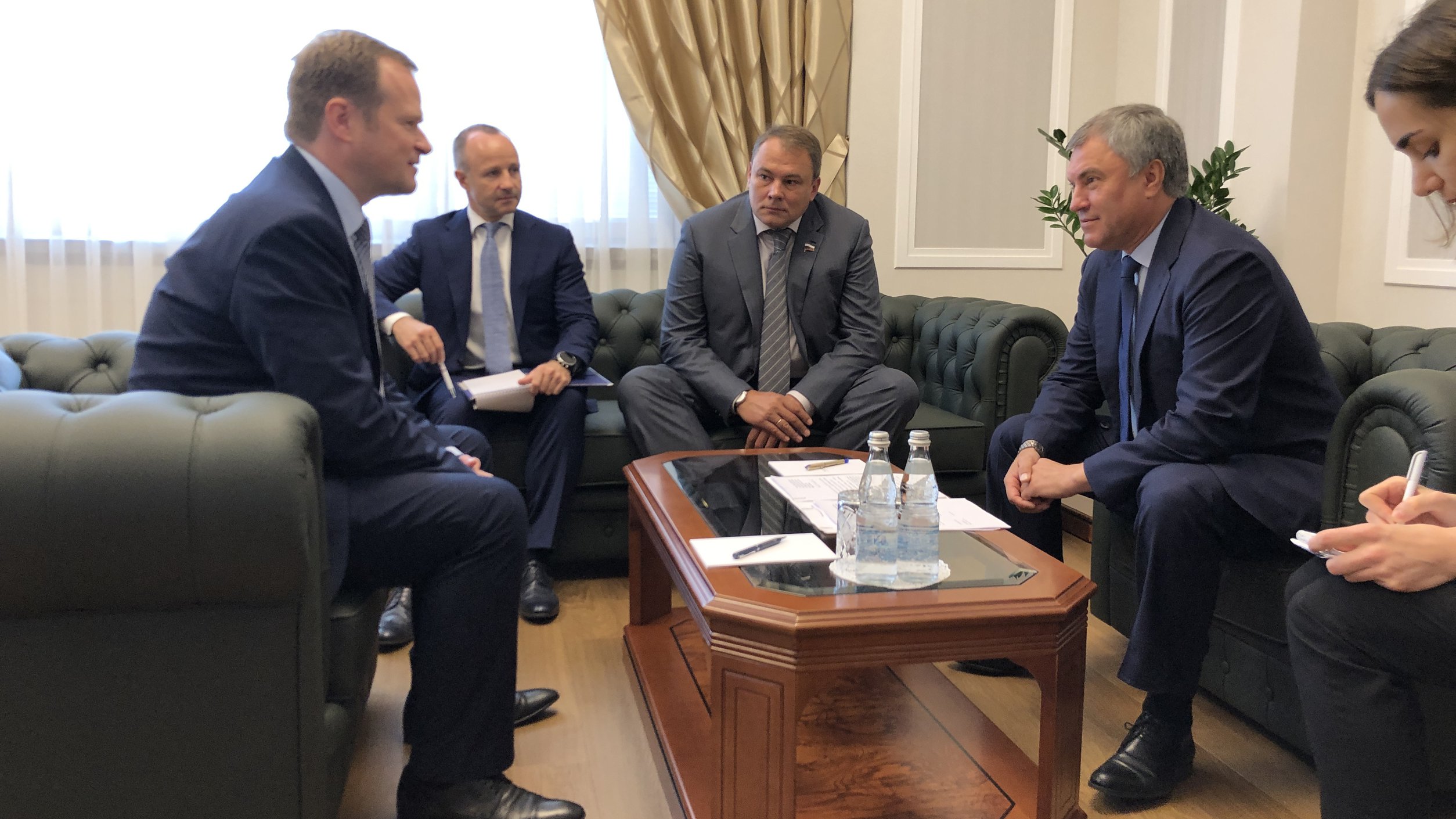
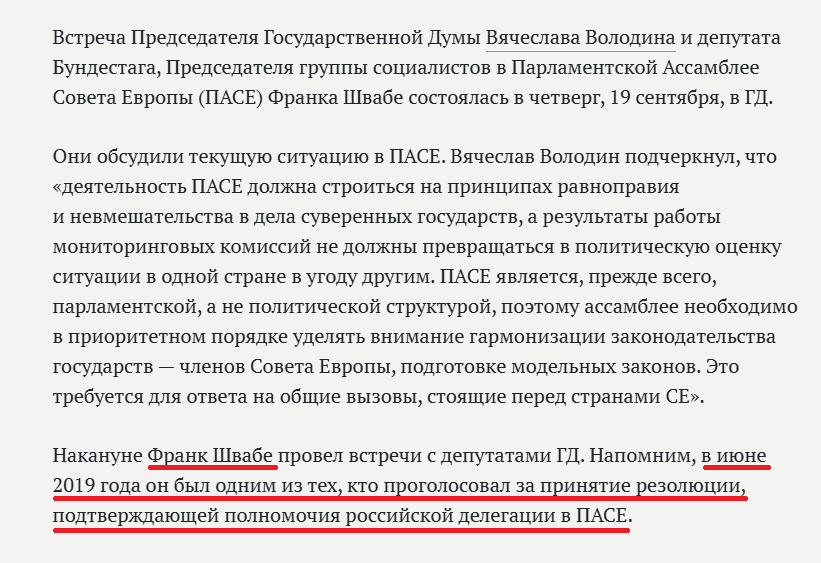
This fact was also mentioned in reports concerning his meeting on September 19, 2019, with Vyacheslav Volodin, Speaker of the State Duma of the Russian Federation.
In an interview with Deutsche Welle following his visit to Russia, Schwabe defended the position that "rebuilding the bridge with Russia after five years was the right step."
Our research also indicates that Schwabe indirectly lobbied on Russia's behalf.
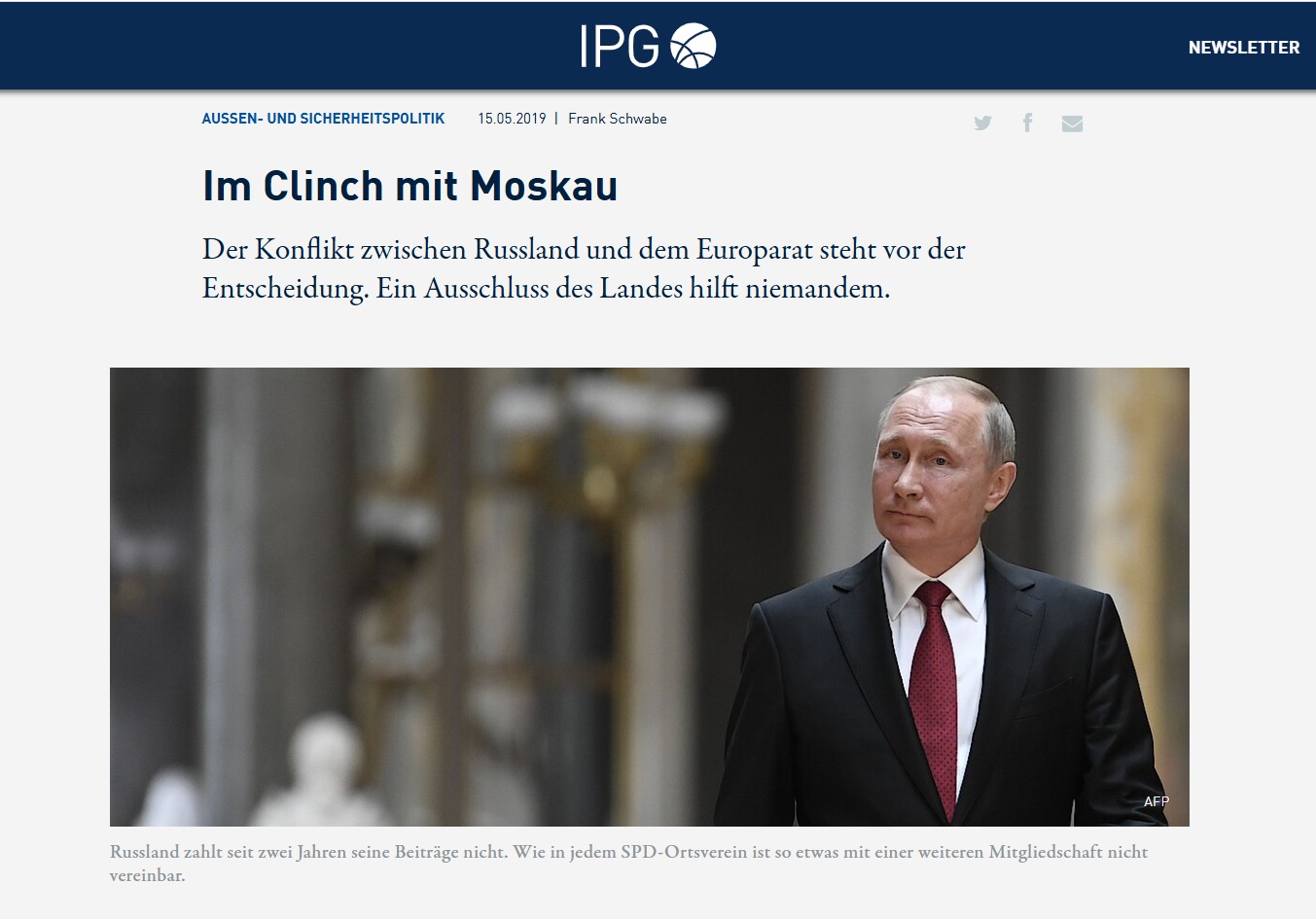
In an opinion article titled "In Conflict with Moscow," published on May 15, 2019, in the German journal IPG (International Politics and Society), he argued that the conflict between Russia and the Council of Europe had reached a decisive stage and claimed that expelling Russia from the organization would benefit no one.
Gazprom and Double Standards
One additional detail deserves particular attention.
Although Schwabe portrays himself as a climate activist and human rights defender, he never objected to the Russian energy giant Gazprom sponsoring his favorite football club, Schalke 04, for fifteen years (2007–2022).
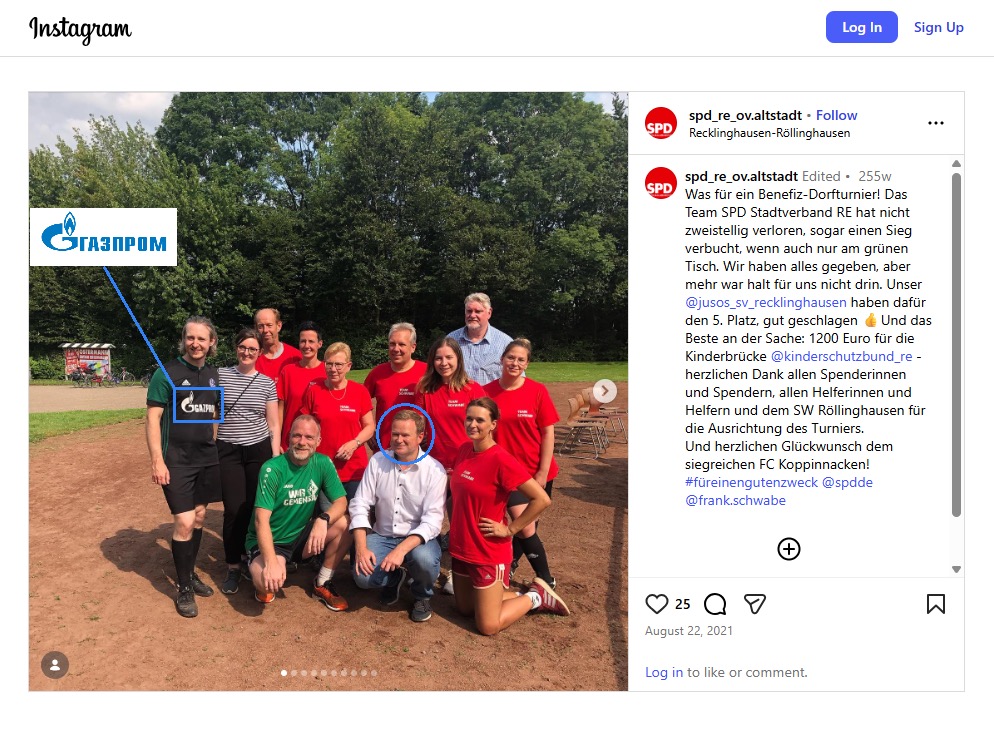
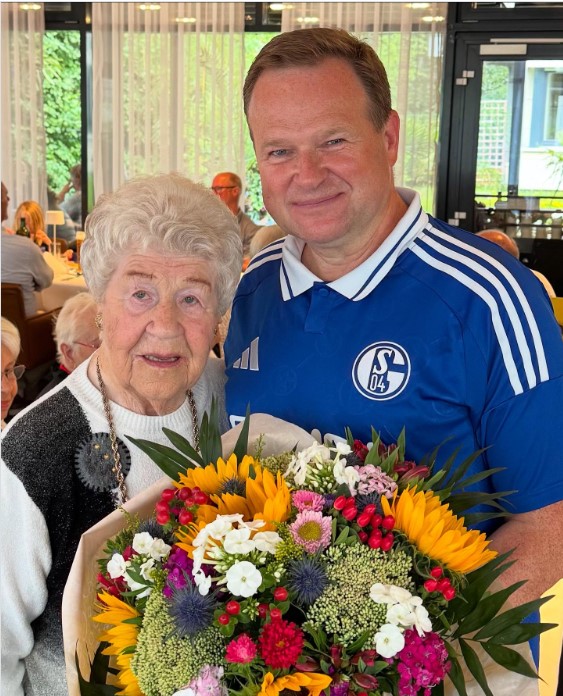
This is particularly striking given that Schwabe was among the most vocal critics of Azerbaijan hosting the COP29 United Nations Climate Conference, frequently citing Azerbaijan's status as an oil and gas producer.
Meanwhile, he has either deleted or had removed all social media posts and online references linking him to Gazprom. We have already seen this same approach in his efforts to alter information about his university education on Wikipedia.
We believe that two factors may explain his silence.
The first is his alleged ties with Russia, which he has kept hidden from the public.
The second is the fact that former German Chancellor Gerhard Schröder, who had supported Schwabe's parliamentary candidacy, later held senior positions at Gazprom and Rosneft.
Our research has also found that although Schwabe is currently an active member of the Chamber Network of the Protestant Church in Germany and presents himself publicly as a person of integrity, there is a sharp contrast between that image and his actions.
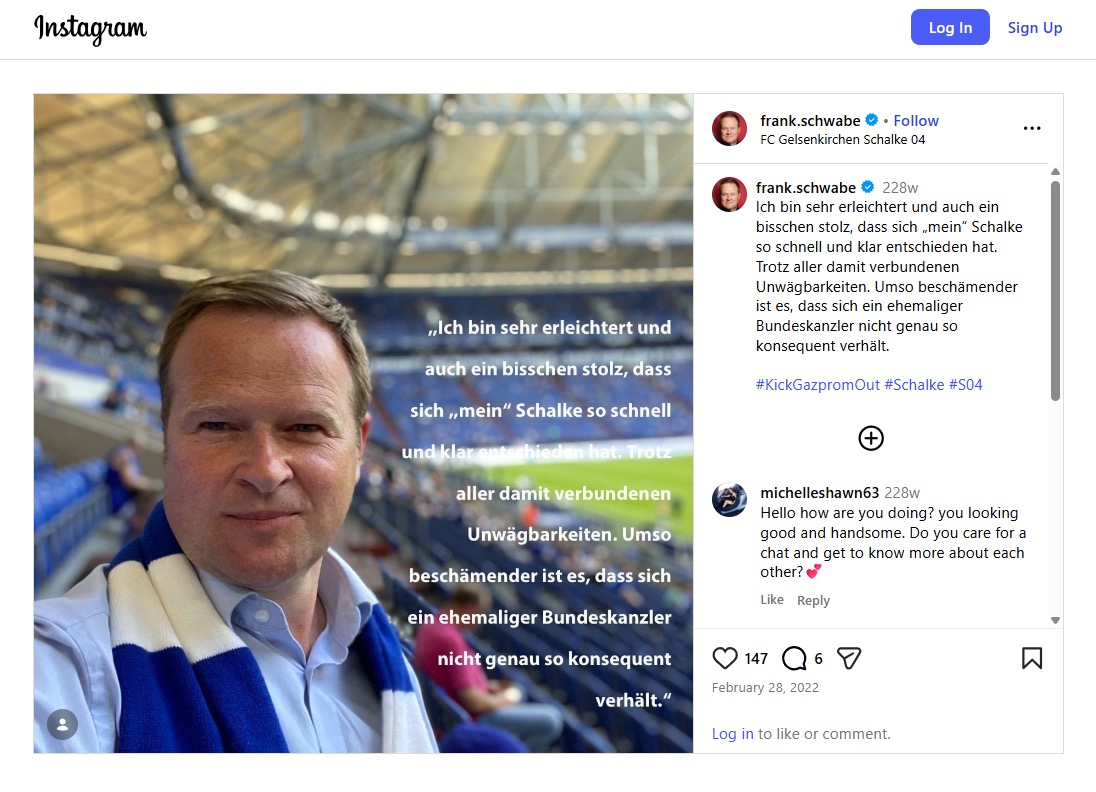
For example, after Schalke 04 terminated Gazprom's sponsorship following Russia's invasion of Ukraine, Schwabe posted on Instagram on February 28, 2022. He suddenly took a public stand on two issues that he had long remained hypocritically silent about—or even supported:
"I feel enormous relief, and even a little pride, that 'my' Schalke made such a quick and unequivocal decision, despite all the uncertainties. It is all the more shameful that the former Chancellor has failed to act with the same consistency."